Top 10 Tips for Choosing the Right AC to DC Inverter?

Choosing the right AC to DC inverter can significantly impact the performance and efficiency of your electrical systems. With various options on the market, it’s easy to feel overwhelmed. Each inverter has its unique features. Some may suit your needs better than others.

Understanding your requirements is essential. Different applications demand different specifications. For instance, power output, efficiency, and safety features are vital considerations. Researching these elements is a wise step before purchasing.

Moreover, it’s crucial to consult reliable sources. Expert reviews can provide valuable insights into the best inverters available. Reflection on your long-term needs is important too. Sometimes, the perfect choice isn’t immediately apparent. A balance between budget and functionality must be found. This guide will explore key tips to help you navigate your decision-making process effectively.
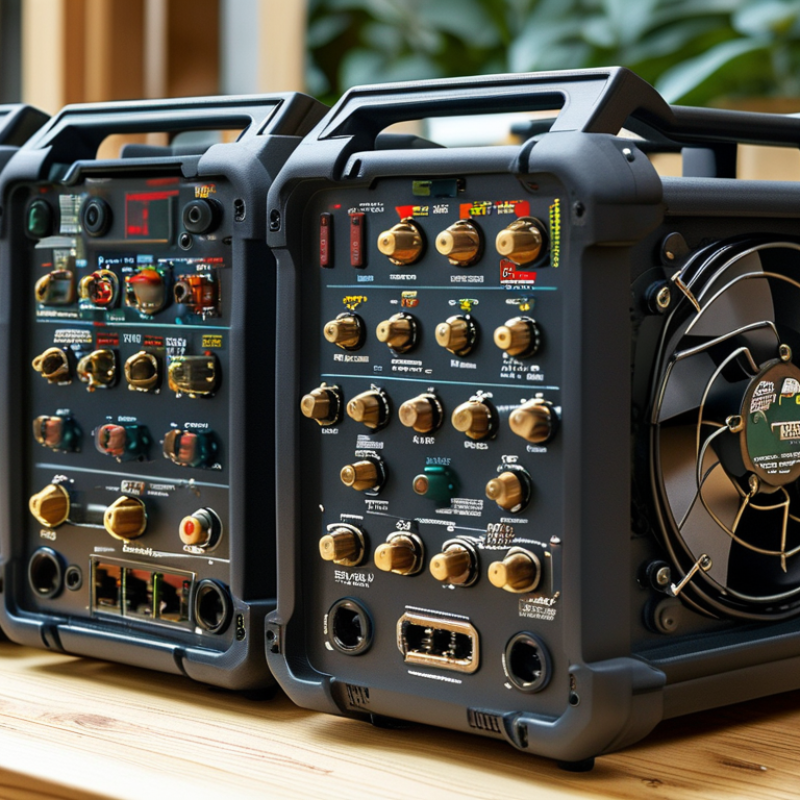
Top 10 Tips for Choosing the Right AC to DC Inverter?

Understanding AC to DC Inverters and Their Applications

Understanding AC to DC inverters is crucial for anyone considering their integration into various applications. These devices convert alternating current (AC) into direct current (DC), making them essential in solar power systems, electric vehicles, and electronic devices. Selecting the right inverter ensures efficiency and reliability in your setup.

When choosing an inverter, consider the load requirements of your devices. An inverter that cannot handle the load may overheat or fail. Look for inverters with overload protection features, which safeguard against spikes in current. It’s also essential to check the inverter's efficiency rating. Higher efficiency means less energy wasted during the conversion process.

Do not overlook the importance of the inverter's input voltage range. Ensure it is compatible with your energy source. If the inverter's input voltage does not match, it can lead to performance issues. Engaging in research and understanding specifications aids in making informed decisions. There is often a trade-off between cost and quality, which requires careful deliberation. Choosing the right AC to DC inverter can significantly impact your energy system's performance and longevity.

Evaluating Power Requirements for Your Inverter Selection

Choosing the right AC to DC inverter requires a thorough evaluation of your power needs. Start by calculating the total wattage of the devices you plan to power. List all the appliances, tools, or electronics you'll use. This will help you understand the minimum power capacity required from your inverter. Pay attention to the startup wattage of equipment, as some devices need more power to start than what they use when running.

Another aspect to consider is the duration of use. Will you run the inverter continuously or intermittently? Continuous use typically demands a more robust unit. Evaluate how often you will operate high-wattage devices. If you frequently use these, a higher capacity inverter will offer more reliability. Remember, oversizing may lead to wasted energy, while undersizing could result in inverter failure. Reflect on your actual usage patterns, as this can influence your final choice significantly.

Key Features to Look for in an AC to DC Inverter

Choosing the right AC to DC inverter involves several key features that can optimize performance and reliability. Efficiency is paramount. Look for inverters with high conversion rates, typically above 90%. A study by the International Energy Agency indicates that efficient inverters can reduce energy losses significantly, translating into cost savings over time.

Another critical aspect is safety features. Over-voltage protections and short-circuit prevention are essential. According to a recent report from the Electrical Safety Foundation International, faulty inverters account for a significant portion of electrical accidents. Ensuring your inverter has built-in protective measures can mitigate risks.

Additionally, consider the inverter’s temperature tolerance and durability. In harsher environments, devices should withstand extreme temperatures and humidity. Reports highlight that the lifespan of inverters can vary greatly. Those with robust build quality tend to perform better over time. Pay attention to customer reviews and expert recommendations. They often reveal insights about long-term reliability. In reality, not all inverters perform consistently, so research is critical before making a decision.

Assessing Efficiency Ratings and Performance Metrics

When selecting an AC to DC inverter, efficiency ratings and performance metrics are crucial. The efficiency rating indicates how well the inverter converts AC power to DC power. An inverter with a high efficiency rating, ideally above 90%, can save on energy costs. According to a report from the International Energy Agency, even small improvements in efficiency can lead to significant energy savings over time.

The performance metrics should also be considered. Look for metrics like total harmonic distortion (THD) and power factor (PF). A lower THD signifies better performance and less distortion, leading to smooth operation. A THD of less than 5% is generally acceptable for most applications. Additionally, a power factor close to one indicates that the inverter is effectively utilizing its input power. The interplay between these metrics will reflect the inverter's reliability and overall performance.

It is worth noting that not every inverter aligns perfectly with theoretical metrics. Real-world conditions can impact efficiency. Variations in load, temperature, and installation can all affect performance. Therefore, understanding these factors can lead to more informed choices. Balancing efficiency ratings with practical performance insights enhances decision-making when selecting an inverter.

Efficiency Ratings of AC to DC Inverters

Budget Considerations and Long-term Cost Analysis for Inverters

When considering an AC to DC inverter, budget is a critical factor. The initial investment can vary widely. A budget-friendly inverter may cost around $200, while high-end models can exceed $2,000. According to industry data, the average lifetime of an inverter ranges from 5 to 15 years. This longevity can significantly influence overall costs.

Maintenance and efficiency play key roles in long-term expenses. An inverter with high energy efficiency reduces electricity bills. The U.S. Department of Energy states that inefficiencies can lead to 10-30% higher operational costs. Additionally, factor in maintenance needs. Some models may require frequent servicing, which adds up over time. A budget plan should also account for potential upgrades as technology progresses.

Investing in a reliable inverter may yield higher upfront costs, but data suggests it can be more economical in the long run. A quality inverter can save up to 30% on energy costs compared to cheaper units. It's essential to analyze both immediate costs and potential long-term savings. Mistakes in selection may lead to regret and unexpected expenses. Researching various models and understanding their lifetime costs can aid in informed decision-making.