How to Choose the Right Power Inverter for Your Needs?

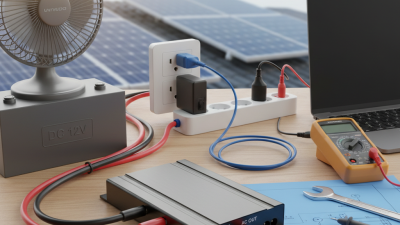
Choosing the right power inverter is essential for your energy needs. A power inverter converts DC power to AC power, making it suitable for various applications like camping, RVs, or home backup systems. With many options available, it's easy to feel overwhelmed.

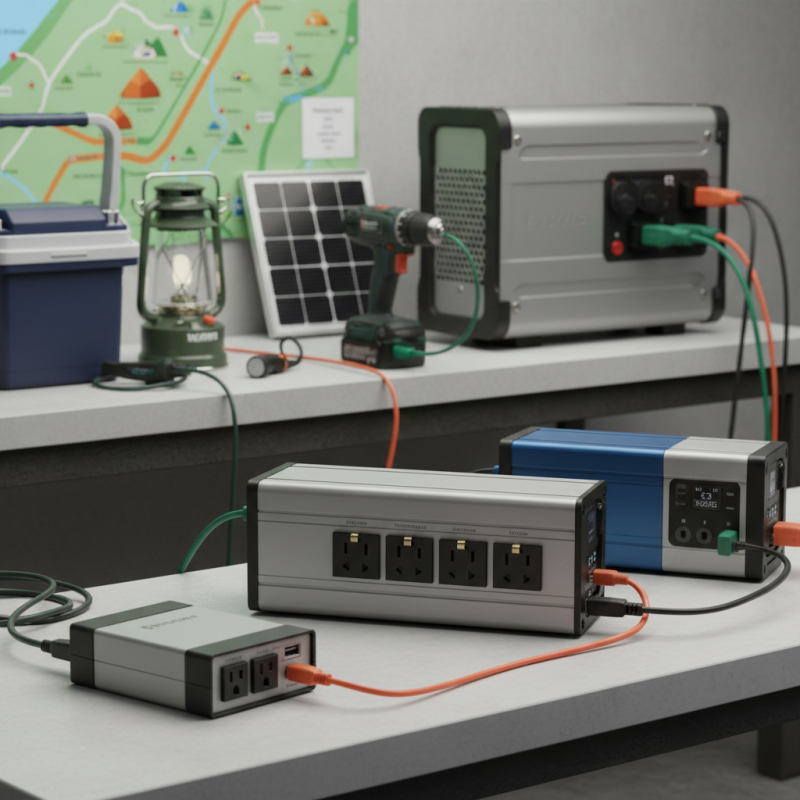
Understanding your specific requirements is crucial. Do you need a small inverter for charging tools, or a larger one for appliances? The power capacity is a vital factor. You need to consider wattage ratings carefully. An incorrect choice might lead to inefficiency or damage.

Seek products from trusted brands. Reliability is key. Reading customer reviews can provide insights into performance and durability. Remember, the right power inverter makes a difference. Careful selection will impact your power supply experience positively.
How to Choose the Right Power Inverter for Your Needs?

Understanding Power Inverters: Definition and Types

Power inverters are vital for converting DC electricity into AC power. This process enables the use of battery-powered devices in households, businesses, or remote locations. Understanding the various types is essential for selecting the right one. There are three primary types: modified sine wave, pure sine wave, and square wave inverters. Each has unique applications and efficiency levels.

Modified sine wave inverters are affordable and suitable for simple devices. They may not work well with sensitive electronics. Pure sine wave inverters provide clean, stable power, making them ideal for delicate equipment. Square wave inverters are less common and best for basic applications. Research shows that pure sine wave inverters can be up to 30% more efficient than modified ones.

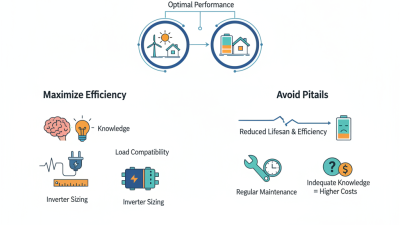
Tips: Always calculate your total wattage requirements. Add the device's continuous and surge power needs to find the right inverter size. Consider the inverter's efficiency rating. A higher efficiency means less energy loss in conversion. Assess your power needs carefully, and ensure your chosen inverter matches them accurately. Remember that choosing the wrong type can lead to equipment damage or increased energy costs. Evaluating your specific needs and understanding inverter types can save money and prevent frustration.
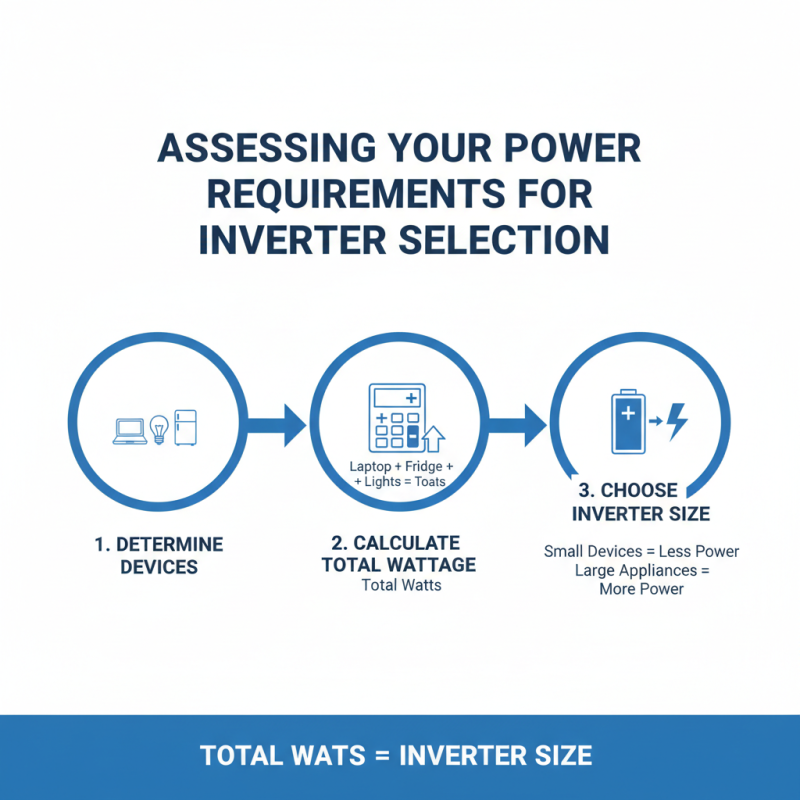
Assessing Your Power Requirements for Inverter Selection

How to Choose the Right Power Inverter for Your Needs?

When selecting a power inverter, understanding your power requirements is essential. Start by determining the devices you plan to use. Calculate their wattage to understand the total power consumption. This includes items like laptops, refrigerators, and lights. Small devices may require less power, while larger appliances need more.

Tips: Take note of the surge power requirements. Some devices, like motors, may need a higher wattage at startup. Always consider this when estimating.

Next, factor in the duration of use. If you need continuous power for several hours, choose an inverter that can support that load without overheating. Consider the battery capacity too; match it with the inverter size for efficiency.

Tips: Double-check the inverter specifications. Any mismatch can lead to inefficiency or equipment damage.

Inverter types vary, from modified sine wave to pure sine wave. A pure sine wave inverter is often necessary for sensitive electronics. However, they may cost more. Reflect on your budget and requirements carefully.

Key Features to Consider When Choosing a Power Inverter

How to Choose the Right Power Inverter for Your Needs?

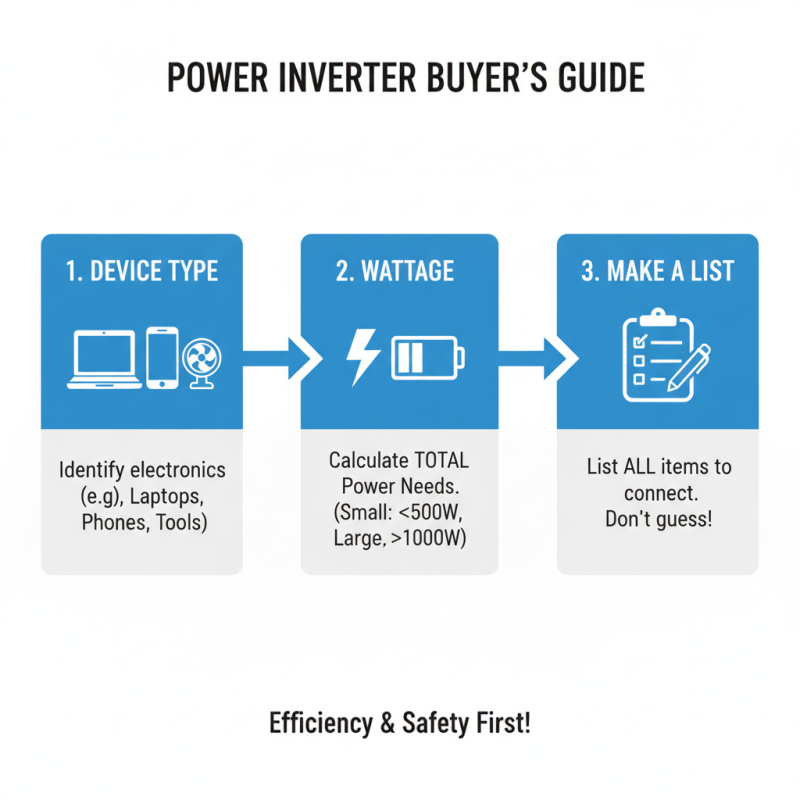
Choosing the right power inverter is essential for both efficiency and safety. Start by understanding the type of devices you’ll power. Look into wattage requirements. Smaller devices usually need less power, but larger appliances demand more. Make a list of everything you'll use to avoid any guesswork.

Consider the inverter’s wave type. Pure sine wave inverters work best for sensitive electronics, while modified sine wave ones are sufficient for basic tools and appliances. This distinction impacts performance and longevity. Ensure your choice matches your devices to avoid potential damage.

Tip: Check the inverter’s efficiency rating. Higher efficiency means less power loss. Watch for passive and active cooling systems, too. They keep the inverter functional and prolong its lifespan.

Reflect on the inverter's portability. If you plan to move it often, lightweight options can be beneficial. However, a heavier, robust design may offer greater durability for stationary use. Weighing these factors will assist in making a knowledgeable decision.

Comparing Cost-Effectiveness of Different Inverter Models

When selecting a power inverter, cost-effectiveness is key. The market offers various models, differing in price and efficiency. According to industry reports, high-efficiency inverters can convert over 90% of DC power to AC. Yet, basic models often provide around 80% efficiency. This difference can directly affect your energy costs. For example, a 1000W inverter at 90% efficiency uses less energy than one at 80%, saving money over time.

Consider initial costs versus long-term energy savings. More efficient inverters may cost more upfront. However, they often reduce electricity bills. A 2023 study indicated that investing in a high-efficiency inverter can save up to 30% in energy costs annually. This means that while you pay more initially, the savings will compound, leading to lower costs in the long run.

Evaluate your needs thoroughly. Reflect on how much power you require. A larger inverter might serve your needs better, but at a higher cost. Underestimating power needs could lead to inefficient operation and more expenses. Assessing your power requirements, usage frequency, and budget helps ensure you make the most economical choice.

Installation and Safety Tips for Power Inverter Usage

When using a power inverter, safety is paramount. According to industry reports, improper installation can result in electrical fires or equipment damage. Before installation, ensure that your inverter matches your devices' voltage and wattage needs. Check for certification marks on your inverter, which ensure compliance with safety standards.


Tips: Use fuses or circuit breakers in your setup. They act as a safeguard against overloads.


Proper ventilation is crucial. Inverters generate heat during operation. Installing them in an area with adequate airflow can prevent overheating. Ensure the inverter is mounted securely to avoid movement that may lead to electrical issues. It’s essential to regularly inspect connections for wear or corrosion.


Tips: Keep the inverter dry and away from moisture. This simple step can prevent short circuits and prolong the life of your inverter.


Make sure to read the manufacturer's manual carefully. It provides necessary insights on installation specifics, safety guidelines, and troubleshooting tips. Staying informed can greatly reduce risks associated with power inverters.