2026 Best Power Inverter Types for Global Buyers?
Choosing the right power inverter in 2026 requires more than comparing wattage and advertised efficiency. Global buyers must consider battery compatibility, output waveform, cooling design, installation conditions, and regional electrical requirements. A small unit for a camper behaves very differently from a high-capacity inverter used in a warehouse, clinic, or backup system. That detail matters.
This guide introduces the main power inverter types available to international purchasers, including modified sine wave, pure sine wave, grid-tie, off-grid, hybrid, and portable models. Each type serves a different purpose, budget, and risk profile. Pure sine wave models usually provide cleaner power for sensitive equipment, while hybrid systems can coordinate solar generation, batteries, and grid supply. However, no design is perfect. Efficiency figures may change under partial loads, and real performance depends on wiring, ventilation, battery quality, and local installation practices.
Practical purchasing experience shows that certification documents, warranty coverage, replacement parts, and technical support deserve equal attention. A low purchase price can become expensive when a fan fails in a remote location. Buyers should verify voltage, frequency, connector standards, protection features, and tested operating limits before placing an order. Regional conditions also matter, from humid coastal air to dusty industrial rooms. The best model is not always the most powerful. It is the one that matches the application safely and consistently. Careful comparison can reduce avoidable failures, although every specification should be checked against the manufacturer’s current documentation.
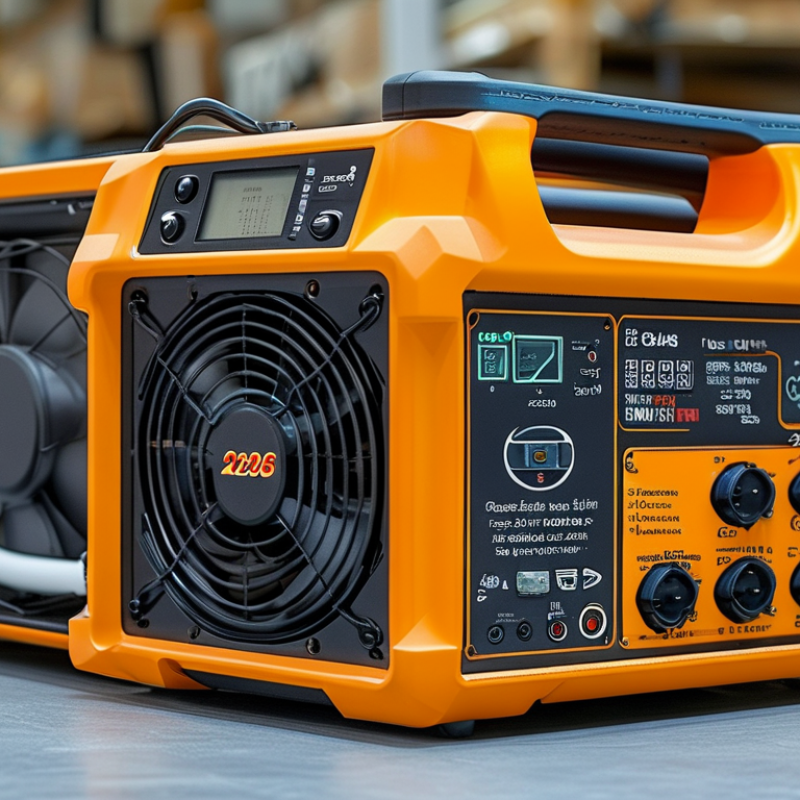
Understanding Power Inverter Functions and Core Technologies
Power inverters do more than convert direct current from panels or batteries into usable alternating current. They regulate voltage, manage power quality, and disconnect equipment during unsafe conditions. For global buyers, these functions matter more than attractive maximum-wattage figures.
The IEA PVPS Trends 2024 report recorded about 447 GW of new solar capacity worldwide in 2023. This rapid expansion increases demand for reliable conversion equipment. A modern inverter may include maximum power point tracking, battery charging control, anti-islanding protection, and remote performance monitoring. Grid-connected models also support reactive power control and frequency response. Hybrid models add energy storage management, but their backup performance depends on transfer time and battery compatibility.
Core technology choices deserve careful testing. High-frequency switching devices can reduce size and improve response, while transformer-based designs may offer stronger isolation. Silicon carbide devices can lower switching losses, although their benefits depend on operating temperature and control design. IEC 62109 addresses inverter safety, while IEC 61000 covers electromagnetic compatibility. These standards provide a useful baseline, not a guarantee of field performance.
Look closely at efficiency curves. Peak efficiency can hide losses during cloudy mornings, partial loads, or battery charging. The Fraunhofer ISE Photovoltaics Report 2024 shows why system performance should be judged across real operating conditions, not one headline number. I still see buyers comparing only rated output. That is an expensive shortcut. Installation records, protection settings, local grid rules, and service response should influence the final choice.
2026 Best Power Inverter Types for Global Buyers
Typical Peak Conversion Efficiency by Inverter Type
Pure sine wave inverters generally provide the cleanest AC output and are suitable for sensitive electronics, motors, medical equipment, and renewable-energy systems. High-frequency designs are typically lighter and more compact, while low-frequency designs commonly offer stronger motor-starting capability. Modified sine wave and square wave models can reduce cost, but they may create more heat, noise, or compatibility issues with certain loads. The efficiency figures shown are indicative engineering ranges rather than certification ratings; actual performance depends on load level, input voltage, temperature, and system design.
Comparing Inverter Types for Different Power Conversion Needs
2026 Best Power Inverter Types for Global Buyers?
Choosing an inverter starts with the load, not the advertised wattage. Pure sine wave inverters suit medical equipment, refrigerators, pumps, and sensitive electronics. Their cleaner output reduces buzzing and heat. Modified sine wave models cost less, but motors may run louder or less efficiently. This difference becomes obvious during long outages.
Grid-tie inverters work with utility networks and solar panels, while off-grid units support batteries and isolated systems. Hybrid inverters combine both functions, but setup is more complex. Low-frequency designs handle heavy startup surges well, such as a compressor starting in a cold workshop. High-frequency models are lighter and often more efficient. Check local voltage, frequency, socket standards, and required safety certification before buying. A 3,000-watt label may hide a weak surge rating.
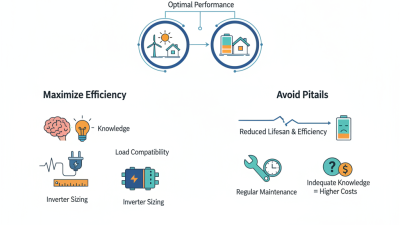
Tips: Measure real consumption for one week. Record starting loads separately. Leave 20–30% capacity for expansion. For a rural cabin, battery charging speed matters more than compact size. For travel, weight and idle consumption matter most. Ask for tested efficiency curves, not only peak figures. No choice is perfect. Even experienced installers can misjudge a pump’s startup demand. Review the manual, installation environment, and after-sales support before approval.
Evaluating Voltage, Capacity, Waveform, and Efficiency Ratings
Choosing a power inverter in 2026 starts with voltage, not appearance. A 12V unit suits small battery systems, while 24V or 48V reduces current and cable losses in larger installations. The IEA PVPS Trends 2024 report recorded more than 400 GW of new solar capacity worldwide in 2023. That scale increases demand for correctly matched inverters. Check battery voltage, input range, and local grid output before comparing prices.
Capacity ratings require practical judgment. An inverter rated at 3,000 watts may not sustain that load continuously. Motors, pumps, and refrigeration units can demand two or three times their running power during startup. Select continuous capacity above the measured load, then verify surge duration. Leave a reserve of about 20 percent. It is not excessive. Oversizing too much, however, can reduce efficiency at light loads. This trade-off is often missed in simple buying charts.
Waveform matters for sensitive equipment. Pure sine wave output usually provides cleaner power for medical, audio, and variable-speed devices. Modified sine wave models may operate heaters, but can create noise or extra heat. Efficiency ratings also need context. A headline peak above 95 percent may apply only near one operating point. Review weighted or European efficiency, standby consumption, and performance at 25, 50, and 100 percent load. The U.S. Department of Energy’s inverter testing guidance emphasizes measured performance rather than marketing claims. Still, published figures can vary by test method. Buyers should request certificates, test conditions, and temperature ranges before approval.
Matching Inverter Designs to Global Markets and Applications
Global buyers in 2026 should match inverter designs to local grids, weather, and installation habits. IRENA’s Renewable Capacity Statistics 2025 reports 585 GW of renewable capacity added worldwide in 2024. Solar contributed about 452 GW, creating varied demand across markets. The IEA’s Renewables 2024 report expects nearly 4,600 GW of solar additions between 2024 and 2030. Scale matters, but location matters more.
String inverters suit large, unshaded rooftops and utility projects with predictable layouts. Microinverters can perform better on homes with partial shade, different roof angles, or frequent module-level maintenance. Hybrid inverters fit markets combining solar, batteries, and unstable grid service. Off-grid systems need strong surge handling for pumps, refrigerators, and workshop motors. A higher efficiency rating is not always the better buy.
Match the inverter to the grid code, phase configuration, voltage range, and local service skills. Check protection functions before comparing prices. In humid coastal areas, corrosion resistance deserves close attention. In dusty inland regions, thermal design and accessible cleaning procedures become practical concerns. Installers also need clear monitoring data, replacement parts, and safe commissioning instructions. One field lesson is easy to miss: oversized systems may reduce operating efficiency during light loads. Real projects expose that weakness.