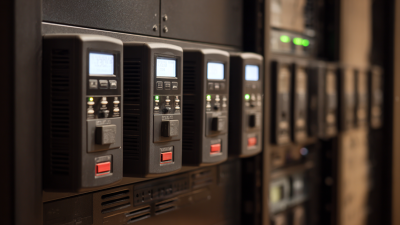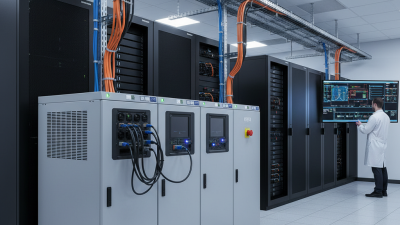
What is an UPS Power Supply and Why is it Important?

In today's tech-driven world, a reliable UPS power supply is crucial for businesses and homes alike. Dr. Emma Johnson, a leading expert in power management, notes, "A robust UPS power supply is not just a backup; it’s a safety net." This highlights the vital role that uninterrupted power supplies play in protecting sensitive equipment and data.

Power outages are unpredictable and can lead to significant losses. A UPS power supply ensures that electronic devices keep running during such events. It gives users confidence that their operations will remain intact. This can be especially important in sectors like healthcare, finance, and telecommunications, where outages can prove devastating.

Yet, many underestimate the importance of investing in a quality UPS power supply. Some may choose lower-cost alternatives, thinking they will suffice. However, cutting corners can lead to long-term complications. Balancing cost and reliability requires careful thought. Ensuring your power supply is dependable is not just good practice; it’s essential for maintaining continuous operations and safeguarding valuable assets.
What is an UPS Power Supply and Why is it Important?

What is an Uninterruptible Power Supply (UPS) and its Function?

An Uninterruptible Power Supply (UPS) is a vital component in today's digital world. It provides backup power during outages. This ensures that essential devices continue to function, avoiding data loss and equipment damage. UPS systems are commonly used for computers, servers, and telecommunications equipment.

The core function of a UPS is to maintain a steady power supply. It not only acts as a backup but also filters incoming voltage. This helps protect sensitive electronic devices from surges and spikes. Many users often overlook the importance of regular maintenance of their UPS. Failing to check battery health can lead to unexpected shutdowns.

Additionally, a UPS can offer peace of mind. Knowing that your devices will remain operational during a power failure is crucial. However, not all systems are created equal. Understanding your power needs is essential for choosing the right UPS. It's important to assess not just equipment power requirements, but also runtime needs. This often requires careful calculation and planning.

What is an UPS Power Supply and Why is it Important?

Dimension Details
Definition An Uninterruptible Power Supply (UPS) provides backup power during outages and ensures continuous operation of electrical equipment.
Function To protect connected devices from power interruptions and fluctuations, allowing for safe shutdowns and preventing data loss.
Types Standby, Line-Interactive, and Online UPS are the three main types, each varying in efficiency and protection levels.
Applications Widely used in data centers, hospitals, and any critical infrastructure that relies on electricity to maintain operations.
Benefits Prevents downtime, protects equipment, ensures data integrity, and enhances productivity.
Maintenance Regular testing and battery replacement are crucial for maintaining the reliability of a UPS system.

Key Components of a UPS: Batteries, Inverters, and Chargers Explained

A UPS (Uninterruptible Power Supply) is vital for protecting electronic devices. It provides backup power during outages. Understanding its key components helps ensure your systems remain operational.

The battery is the heart of any UPS. It stores energy for immediate use when the power goes out. Battery capacity varies, impacting how long devices remain powered. Regularly checking battery health is crucial. A weak battery means lost data. Tips: Test the battery every few months to ensure reliability.

Inverters convert stored energy into usable power. They transform DC (direct current) from batteries into AC (alternating current), which electronic devices require. An inverter’s efficiency directly affects performance. A poor-quality inverter could lead to fluctuations in power supply. Tips: Look for inverters with high efficiency ratings to ensure stable performance.

Chargers refresh UPS batteries. They maintain battery life and readiness. A sluggish charger can delay power restoration, making efficiency essential. Overcharging can damage batteries, creating a safety risk. Tips: Monitor charging cycles to prevent damage and extend battery lifespan.

Importance of UPS Systems in Data Centers and IT Infrastructure

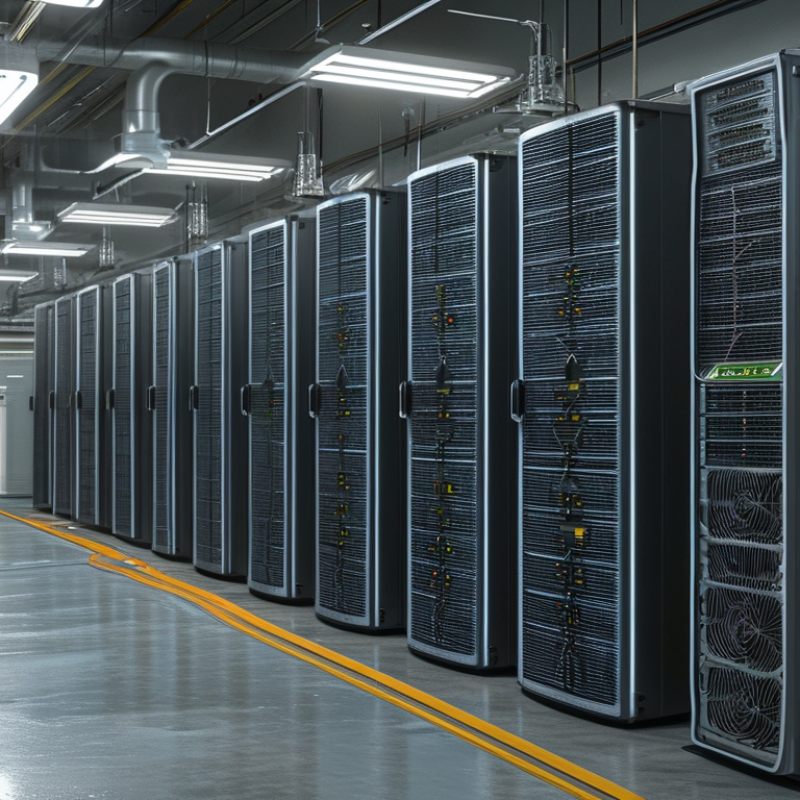
In the fast-paced world of data centers, UPS (Uninterruptible Power Supply) systems play a crucial role. These systems ensure a continuous power supply. They protect critical equipment from power failures. A reliable UPS system prevents costly downtime and data loss. This is vital for maintaining business operations.

Investing in an efficient UPS can be complex. Each facility may have unique power needs. Conducting a thorough assessment is important. Understand your load requirements and backup time needs. It’s essential to consider future growth as well. Capacity planning prevents potential problems later.

Tips for choosing a UPS system: First, prioritize energy efficiency. This can lead to long-term savings. Second, think about scalability. Your needs may change over time. A modular UPS can adapt easily. Third, ensure regular maintenance checks. Neglecting this can lead to failures when you least expect them. These proactive steps protect your IT infrastructure effectively.

Importance of UPS Systems in Data Centers

Industry Statistics on Power Outages and Their Economic Impacts

Power outages can significantly disrupt everyday operations. In the United States alone, power outages cost businesses billions annually. Statistics from recent studies reveal that large-scale outages have increased by 124% since 2000. These figures highlight a rising concern for both companies and consumers alike.


The economic impacts are staggering. When power is lost, productivity drops sharply. Employees cannot access essential data, leading to stalled projects. Additionally, businesses may suffer from lost sales and spoiled inventory. Small businesses are particularly vulnerable. They often lack the resources to recover quickly from outages.


Understanding these statistics is crucial for any organization. More reliable backup solutions like UPS power supplies can mitigate these risks. However, not every business invests in these systems. Sometimes businesses overlook the potential long-term savings. It’s vital to reflect on these decisions. The immediate costs can seem high, but the potential losses from outages can be far greater.

Best Practices for Selecting the Right UPS for Your Needs

When choosing the right UPS power supply, understanding your needs is crucial. A UPS (Uninterruptible Power Supply) provides backup power during outages. This system protects sensitive equipment from damage caused by voltage fluctuations and interruptions. According to industry reports, over 30% of hardware damage is linked to unexpected power failures. Thus, selecting the right UPS is essential for maintaining operational continuity.

Consider your equipment's power requirements. Calculate the total wattage to ensure the UPS can support all devices. A common mistake is underestimating power needs, leading to inadequate backup. Also, assess the desired runtime. Depending on your industry, you might need a UPS that lasts longer during outages.

Tip: Opt for a modular design. Modular UPS systems allow for easy upgrades. This flexibility can save costs in the long run.

Battery type is another vital consideration. Lead-acid batteries are common, but lithium-ion batteries offer a longer lifespan and reduced maintenance. However, they are often pricier.

Tip: Regularly test your UPS. Faulty systems can fail during critical times. Keeping your unit in optimal condition is non-negotiable.