
Top 10 Mechanical Flange Types for Global Buyers?

Mechanical Flanges play a crucial role in various global industries. From oil and gas to water treatment, flanges ensure secure connections in piping systems. According to a report by MarketsandMarkets, the flange market is expected to grow significantly, reaching $8.4 billion by 2025. This growth highlights the increasing demand for reliable components in mechanical systems.

Different types of mechanical flanges serve diverse applications. Each type has unique specifications and benefits. For instance, welded flanges are known for their strength, while slip-on flanges are favored for easy installation. However, selecting the right flange can be challenging. Many professionals face uncertainties in choosing the best option for specific needs, which can lead to potential failures in systems.

Understanding industry standards and flange types is essential. Organizations like ASME provide guidelines that enhance reliability. Despite these standards, errors can occur during installation or selection. This can result in costly downtime or safety hazards. Therefore, rising global buyers must grasp the importance of mechanical flanges. Proper knowledge ensures informed decisions in an ever-evolving marketplace.
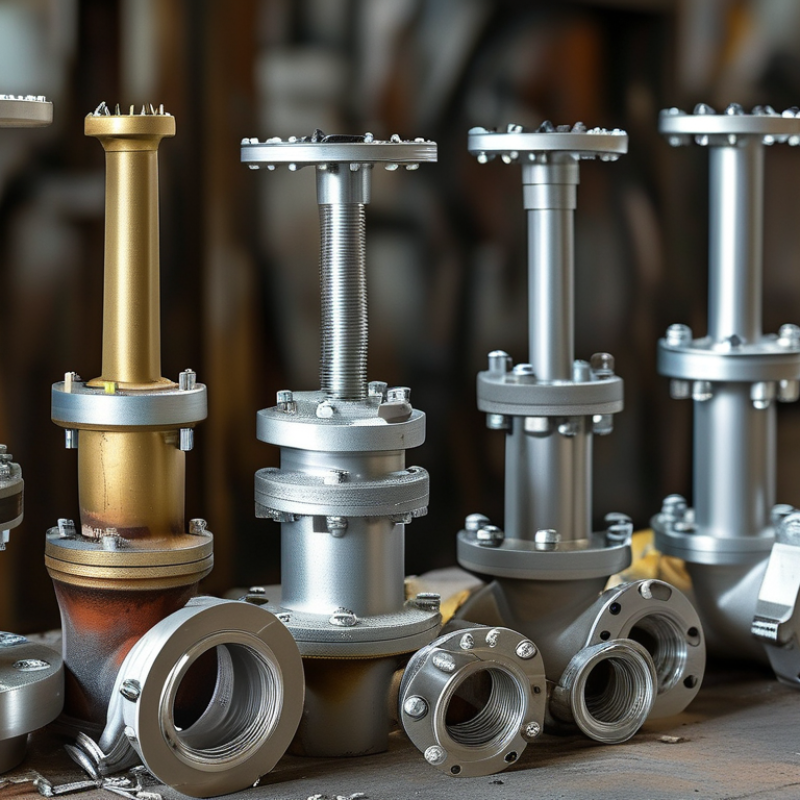
Top 10 Mechanical Flange Types for Global Buyers?

Top 10 Mechanical Flange Types: An Overview for Global Buyers

Flanges are essential components in piping systems. They create secure connections between pipes and devices. A variety of flange types exists to meet different engineering needs. Knowledge of these types is crucial for global buyers.

The first common type is the Weld Neck Flange. This design allows for high-pressure applications. It helps reduce stress concentrations. Another popular type is the slip-on flange. It is easier to align and install, but it might not be ideal for extreme conditions. Blind flanges serve as end caps. They provide a complete seal for pressure retention.

Buyers often overlook specific details. For instance, corrosion resistance can vary greatly across materials. Understanding these nuances leads to better purchasing decisions. Additionally, not every flange type fits all applications. Sometimes, an adjustable option is needed. Awareness of these factors enhances the reliability of connections in piping systems.

Top 10 Mechanical Flange Types: An Overview for Global Buyers

Flange Type Material Pressure Rating (Class) Usage
Weld Neck Flange Carbon Steel 150 - 2500 Pipelines, Pressure Vessels
Slip-On Flange Stainless Steel 150 - 3000 Low-Pressure Applications
Blind Flange Alloy Steel 150 - 2500 Closing Off Pipeline Ends
Socket Weld Flange Carbon Steel 150 - 3000 Small Diameter Pipes
Lap Joint Flange Stainless Steel 150 - 1500 Piping Systems with Flanged Joints
Threaded Flange Steel 150 - 3000 Non-Welded Connections
Orifice Flange Carbon Steel 150 - 2500 Flow Measurement Applications
Expanding Flange Stainless Steel 150 - 1500 Variable Duct Sizes
Reduce Flange Alloy Steel 150 - 2500 Adapting Different Pipe Sizes
Ring Joint Flange Carbon Steel 150 - 1500 High-Pressure Systems

Understanding the Importance of Flanges in Industrial Applications

Flanges play a crucial role in industrial applications. They connect pipes, valves, and other equipment, ensuring seamless assembly. The choice of flange type can significantly impact system efficiency. Each flange type serves specific needs, catering to various industrial requirements.

Understanding the application context is essential when selecting a flange. While some are designed for high-pressure environments, others may be more suited for low-pressure systems. This nuance often demands careful consideration. Not all flanges can handle the same environmental factors. Corrosion resistance and temperature tolerance are key factors that influence performance and durability.

Industrial applications can face unexpected challenges. A wrong flange choice might lead to leaks or system failures. These failures can disrupt operations and lead to costly repairs. Reflecting on past experiences, industrial professionals realize the importance of continuous learning. The complexity of flange selection is a reminder that expertise and knowledge are vital in maintaining system integrity.

Top 10 Mechanical Flange Types Used in Industrial Applications

This chart illustrates the most commonly used flange types in various industrial applications, highlighting their significance in ensuring secure pipe connections and facilitating maintenance.

Key Specifications and Standards for Major Flange Types

When considering mechanical flanges, understanding key specifications is essential. Different flange types come with diverse standards, impacting their application in industries. For example, the ANSI flange is widely used in piping systems. It has a pressure rating and can handle various temperatures. Its dimensions follow the American National Standards Institute specifications.

Another common type is the DIN flange, popular in Europe. It boasts high-quality construction at a competitive price. The DIN standards specify dimensions and pressure ratings, making it reliable. However, it may not be suitable for all settings. Compatibility issues can arise if not properly matched with other components.

The JIS flange is tailored for Japanese systems. This flange type reflects unique dimensions and material specifications. Users must be cautious when selecting it for international applications. Misunderstanding these standards can lead to performance failures. Proper guidance is crucial in ensuring the right choices for specific projects.

Analysis of Global Demand Trends for Different Flange Types

The global demand for mechanical flanges is on the rise. Various industries such as oil and gas, manufacturing, and construction contribute significantly to this trend. Different flange types serve specific needs. Standard flanges, for example, are essential for general applications.

Recently, the demand for specialized flanges has grown. These tailored solutions address unique challenges. For instance, in high-pressure systems, the need for robust and reliable flanges is crucial. Buyers are increasingly looking for flanges made from high-strength materials.

Market analysis shows fluctuations in preference among buyers. Some regions favor larger flanges due to infrastructure expansion. Others focus on compact designs for efficiency. This variety highlights the importance of understanding local trends. Every market has distinct requirements, prompting manufacturers to adapt their offerings. It’s a complex landscape, reflecting ongoing innovations and the need for flexibility.

Comparative Study of Material Types Used in Mechanical Flanges

When examining mechanical flanges, material choice plays a vital role in performance and durability. Flanges are typically made of stainless steel, carbon steel, or alloys, each possessing distinct advantages. According to industry reports, stainless steel comprises about 60% of flange production due to its resistance to corrosion. This makes it ideal for industries like oil and gas. However, its higher cost can be a drawback.

Carbon steel, accounting for around 30% of the market share, is favored for its strength and lower price. It is commonly used in applications where the risk of corrosion is minimal. Interestingly, while carbon steel flanges are strong, they may require protective coatings in corrosive environments. This indicates a need for ongoing maintenance that could be overlooked.

Alloy flanges, while comprising only about 10% of production, are growing in popularity. They offer enhanced strength and resistance at higher temperatures. Yet, these specialized materials can be tricky to source. This inconsistency in availability can lead to delays in projects. Buyers must weigh these factors carefully when selecting flanges for their applications.