
Essential Tips for Choosing the Right Power Supply Unit
Choosing the right power supply unit (PSU) is crucial for your computer system’s performance. Expert John Doe advises, "A quality PSU keeps your components happy." In today’s technology-rich world, the importance of a dependable PSU cannot be overlooked. It supplies the necessary power to every component, ensuring stability and efficiency.
When selecting a power supply unit, consider wattage, efficiency ratings, and modularity. A well-rated PSU prevents energy wastage and reduces heat. However, many overlook the efficiency factor, thinking any PSU will suffice. This is a common mistake; cheap options can lead to failures or damage.
The right power supply unit can make or break your setup. Ignoring details like connector types or load distribution could lead to regrets down the line. Take time to research and reflect on your needs. Skipping this crucial step can result in costly errors.
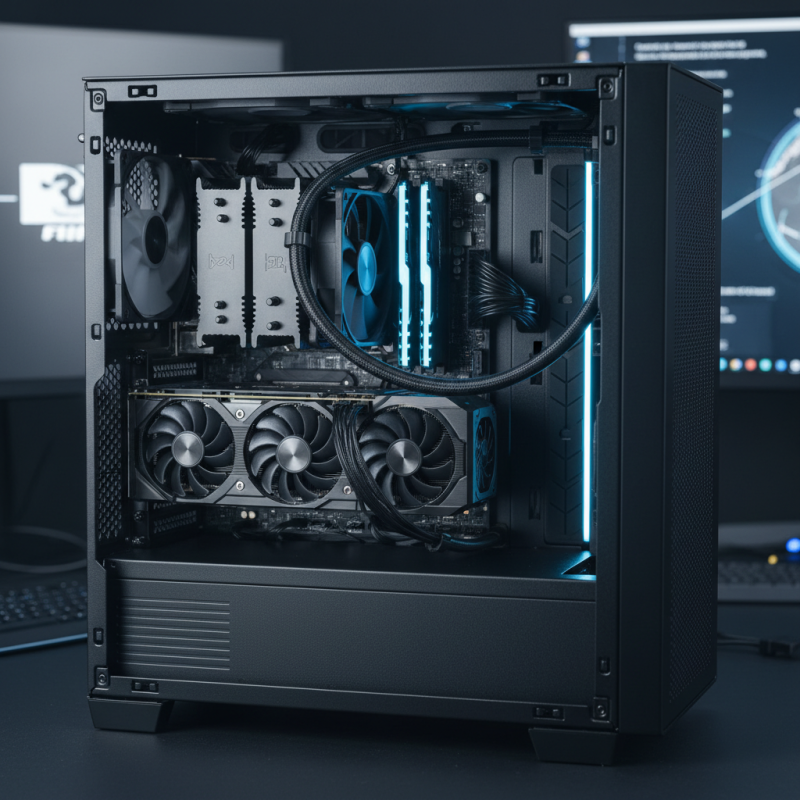
Understanding Power Supply Units: An Overview
Power supply units (PSUs) are vital components in any electronic setup. They convert electrical power from a wall outlet into usable power for your devices. Understanding the basics helps you make informed choices. You need to know about wattage, efficiency, and connections.
When choosing a PSU, consider wattage. It must match the total needs of your components. Too low may cause system instability. High wattage isn’t always better, as efficiency can decrease. Aim for a unit that provides some overhead but isn’t excessively powerful. This balance prevents waste.
Check for efficiency ratings. A higher rating means less energy lost as heat. This can save money on bills long-term. Consider the cable management as well. Good organization can impact airflow in your case.
Don’t overlook reviews and expert opinions. Real user feedback often reveals hidden issues. Take your time understanding these elements before making a decision. Sometimes, it's easy to overlook the signs of a subpar unit in favor of a flashy design. Pay attention, the right choice enhances overall system reliability.
Key Specifications to Consider in Power Supply Units
When choosing a power supply unit (PSU), it’s crucial to consider key specifications that impact performance. Efficiency ratings, measured in 80 PLUS certification, indicate how much power is wasted. A higher rating means more efficient performance. Research shows that a PSU with an 80 PLUS Gold rating typically operates at 87% efficiency or higher at typical loads. Many builders overlook this and opt for cheaper alternatives. This can lead to increased electricity costs over time.
Wattage is another essential factor. Calculate your system’s power requirements before purchase. A gaming rig, for instance, might need up to 750W, while a basic office PC may need only 300W. Choosing a PSU with too low wattage can cause instability. On the flip side, overestimating needs can lead to wasted resources. Additionally, consider the number and type of connectors. Modern GPUs and motherboards have specific requirements. Not having the right connectors can hinder performance and system upgrades.
Lastly, look into modularity. A fully modular PSU allows you to use only the cables you need, improving airflow in your case. However, these models may also come at a higher cost. Balancing these features with your budget can be challenging. Each choice carries a weight of consequences that might not be immediately visible. Researching reviews and reports can help clarify these complexities.
Assessing Wattage Requirements for Your System
When selecting the right power supply unit (PSU), understanding your wattage requirements is essential. Start by calculating the total wattage of your components. This includes the CPU, GPU, hard drives, and any additional peripherals. Each device has a specific power requirement, often listed in the product specifications. Add these values together to get a baseline wattage.
It’s also wise to consider future upgrades. If you plan to add more components down the line, it's better to opt for a PSU with a bit of extra capacity. Over time, components can become less efficient. Thus, having a PSU with at least 20% extra wattage can provide a safety net. Sometimes, it can be tricky to estimate; not all devices run at full power all the time.
Keep in mind that higher wattage doesn't always mean better performance. The quality of the PSU is crucial as well. A lower-quality unit may fail to deliver consistent power, leading to system instability. Choosing a PSU involves balancing wattage, efficiency ratings, and reliability. Reflecting on these elements ensures a well-functioning system.
The Importance of Efficiency Ratings in PSUs
When selecting a power supply unit (PSU), efficiency ratings are crucial. A higher efficiency rating means less energy waste. For example, a PSU with an 80 Plus certification indicates that it converts at least 80% of the input power into usable output. This is significant for both performance and cost savings over time. Many users overlook this detail, focusing solely on wattage.
Understanding these ratings can lead to better choices. A more efficient PSU generates less heat. This can prolong the lifespan of your components. However, not all high-rated PSUs are perfect or needed for every system. Sometimes, spending extra on a top-tier PSU may not provide noticeable benefits.
Take time to consider your specific needs. A gaming setup might demand a different PSU than a basic office computer. Make sure to assess your power requirements accurately. If you're unsure, research or seek advice from knowledgeable sources. Balancing efficiency with your setup's demand is essential for optimal performance.
Choosing the Right Form Factor for Your Power Supply
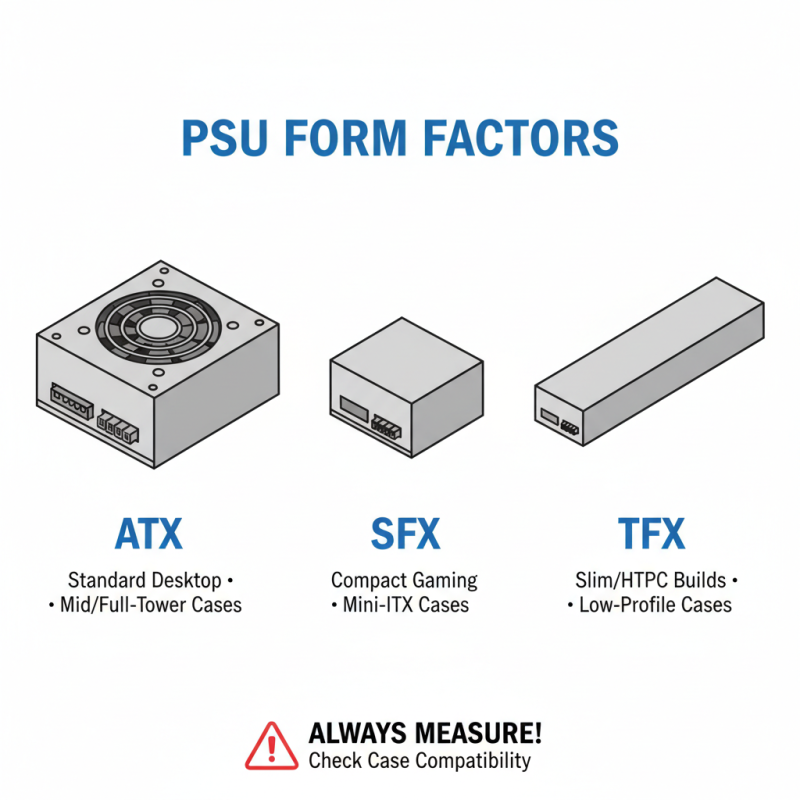
Choosing the right form factor for your power supply unit (PSU) is crucial for system compatibility. PSUs come in various sizes, each designed for specific cases. Common form factors include ATX, SFX, and TFX. Ensure that the PSU fits your case. It's frustrating to buy a PSU that doesn’t fit. Always measure your available space.
Another factor relates to power delivery. Different form factors have different power ratings. A standard ATX unit may offer more wattage compared to smaller SFX versions. However, many users overlook this detail. Understanding your power needs can prevent system instability. A PSU that is too weak cannot support powerful components.
Aesthetic design also plays a role. Some users want their builds to look clean and organized. Flat cables from a smaller PSU can improve airflow. Larger PSUs might have bulkier wiring. You might find the visuals affect your choice more than expected. Choosing the wrong form factor can lead to regret and require a redo. Think carefully about your decision.
Related Posts
-
Understanding the Differences in Power Supply Unit Technologies
-
5 Proven Reasons High Voltage DC DC Converters Are Essential for Modern Power Systems
-

Exploring the Future of AC Power Supply: Trends, Innovations, and Market Growth Projections
-
Why You Should Choose the Right Power Supply Unit for Your Computer
-
What is an AC DC Power Supply and How Does it Work?
-

2026 Best Computer Power Supply Options for Every Gamer?

At Premium PSU, we are specialists in designing and manufacturing power conversion systems for the industrial market. Our product range includes high reliability power supplies from 50W to 72kW.
PREMIUM PSU
C/ Dolors Aleu, 19-21, 2nd Floor
08908 – Hospitalet de Llobregat
Barcelona-SPAIN
t.+34 93 223 26 85