
Power Inverter Tips for Optimal Performance and Usage?
Power inverters have become essential devices in various applications, from renewable energy systems to backup power solutions. According to a recent report by the International Energy Agency, the global market for power inverters is projected to reach $14.5 billion by 2025. This rising demand emphasizes the importance of understanding optimal usage and performance trends.
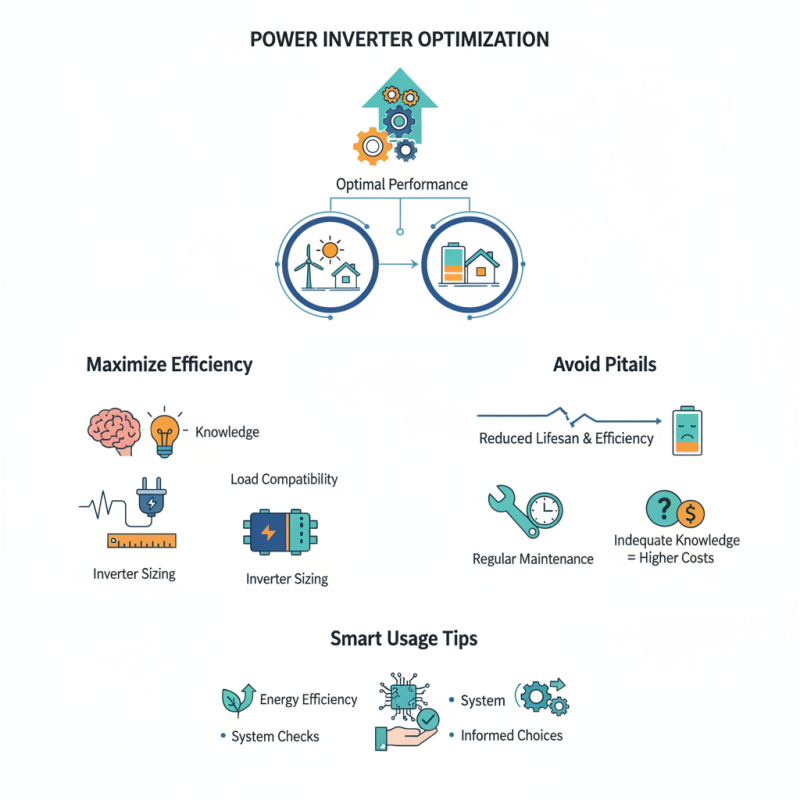
Industry expert John Smith, who has over 20 years of experience in power electronics, once stated, "Improvements in power inverter technology can significantly enhance energy efficiency." This insight underlines the need for users to maximize their inverter’s performance. Users often underestimate factors like load compatibility and inverter sizing.
It’s crucial to note that careless usage may lead to reduced lifespan and efficiency. Many overlook the importance of regular maintenance and system checks. Inadequate knowledge can result in poor decisions, costing users more in the long run. By focusing on practical tips, users can make informed choices to ensure their power inverter operates at peak efficiency.
Understanding Power Inverters: Types and Functions Explained
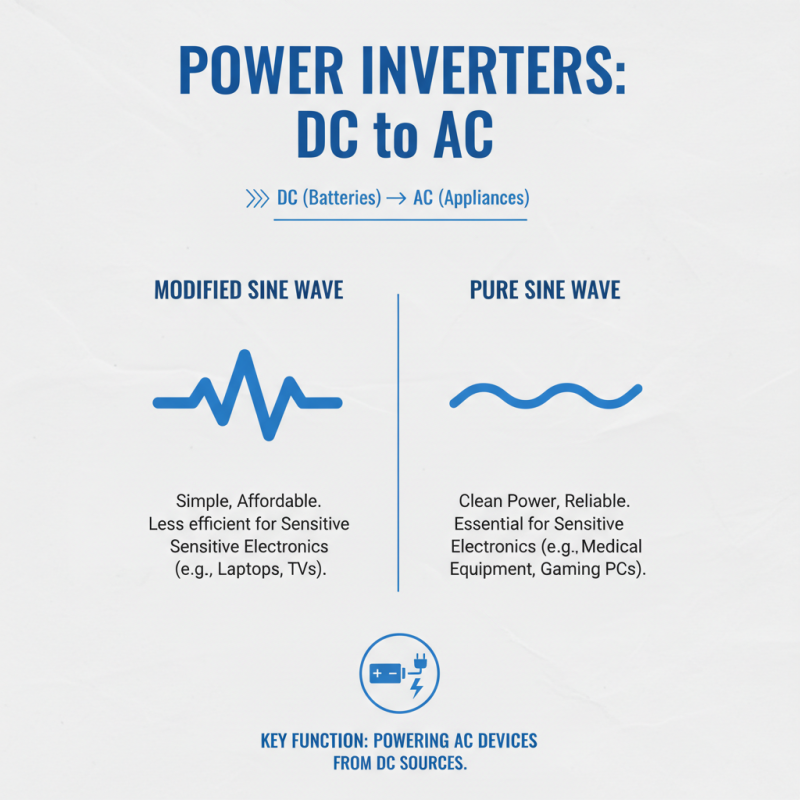
Power inverters are crucial for converting direct current (DC) to alternating current (AC). This process allows devices that typically run on AC power to function when connected to a DC source, like batteries. Understanding the types of power inverters available can significantly enhance usage. There are modified sine wave and pure sine wave inverters. Modified sine wave models are simpler and more cost-effective. However, they may not operate sensitive electronics efficiently.
Pure sine wave inverters produce cleaner power. They are often the preferred choice for appliances that need stable voltage. While they tend to be pricier, the investment is worthwhile for those relying on equipment that demands smooth operation. Be mindful, though: overloading any inverter can lead to failures.
When using an inverter, consider its wattage rating. This affects how many devices and which types can be powered. Higher wattage means more potential usage. It's essential to find a balance, as exceeding capacity can damage both the inverter and the devices plugged into it. Reflect on the implications of your choices, before connecting devices. Make a list of your power needs to avoid surprises and ensure sustained performance.
Key Factors Influencing Power Inverter Performance
Power inverters are essential for converting DC power to AC electricity. Their performance can be influenced by various key factors. One crucial aspect is the inverter's efficiency. The higher the efficiency, the better the performance. Look for inverters that operate above 90%. This ensures minimal energy loss during conversion, saving you money in the long run.
Another important factor is temperature management. A power inverter generates heat during operation. If it overheats, performance declines. Regularly check for proper ventilation and avoid placing the inverter in tight spaces. Perhaps consider fans or heat sinks to help manage temperature. This small step can lead to a significant improvement in longevity and efficiency.
Battery quality also affects inverter performance. Low-quality batteries can lead to inconsistent power supply. Always choose batteries that match your inverter’s specifications. Monitor their health regularly. Dead or weak batteries can hinder the inverter’s capability. Replacing them when necessary helps maintain peak performance and reliability.
Installation Best Practices for Power Inverters
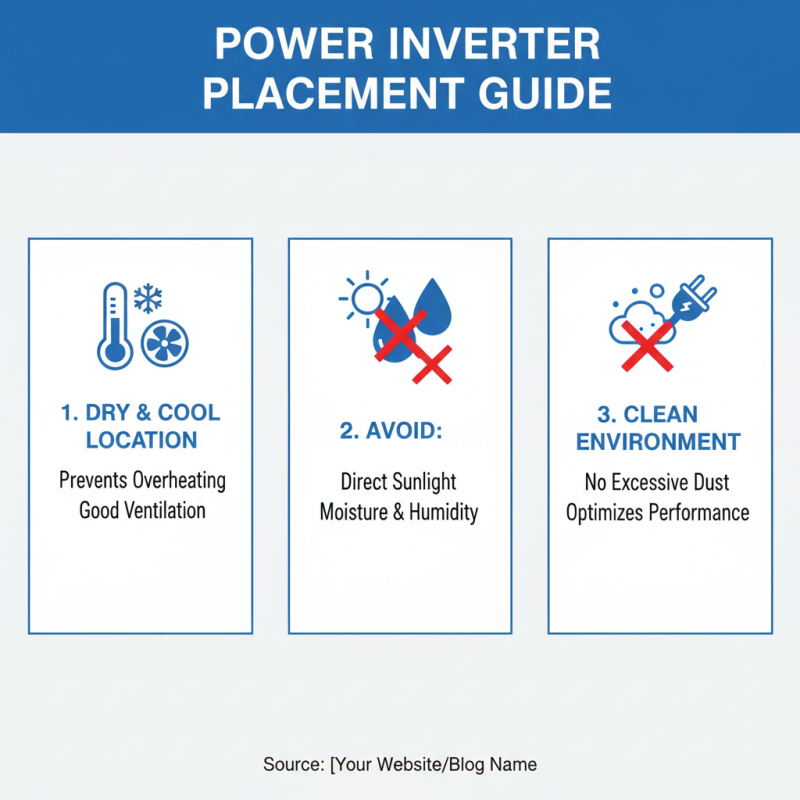
When installing power inverters, it’s crucial to choose the right location. A dry, cool area is ideal. This prevents overheating during operation. Ensure good ventilation around the unit. Too much dust can affect performance. Consider placing it away from moisture and direct sunlight.
Using appropriate cables is essential for optimal operation. Make sure the wires match the inverter’s requirements. Shorter cable runs can minimize energy loss. Additionally, secure connections tightly to prevent sparks or disconnections. Double-check for any fraying or wear on cables before installation. Regular maintenance, including cleaning, can prolong the inverter's life.
Testing the system after installation is important. Some may overlook this step, but it’s vital. Check for any unusual noises or overheating. Monitor the inverter’s performance regularly. If issues arise, reflect on the installation choices made. Adjustments may be needed for better functionality.
Regular Maintenance Tips for Longevity and Efficiency
Regular maintenance of your power inverter is essential for ensuring longevity and efficiency. One key tip is to keep the inverter clean and dust-free. Dust accumulation can hinder its performance. Use a soft cloth to gently wipe down the surface. Ensure the air vents are clear. Airflow is vital for proper cooling.
Check the battery connections periodically. Loose or corroded connections can lead to power loss. Applying a little anti-corrosion gel can be helpful. Inspect the wiring for any damage as well. Frayed or exposed wires pose safety risks. Replace damaged wires immediately to avoid potential hazards.
Keep an eye on the inverter’s temperature. Excessive heat can damage internal components. If the unit feels too hot, consider improving ventilation. Remember, even a small issue can impact performance. Regular checks will help you catch problems early. Embrace these habits for a more reliable power supply.
Troubleshooting Common Power Inverter Issues and Solutions
Power inverters can malfunction for various reasons. One common issue is overheating. When an inverter gets too hot, it can shut off unexpectedly. Overheating often occurs if the inverter is overloaded. It's essential to know the power requirements of your devices. Statistics show that nearly 35% of inverter failures are due to overloading. Proper sizing is crucial for effective performance.
Another problem is battery disconnects. If connections loosen, it may cause a drop in power output. Regularly check your terminal connections. Loose connections can lead to significant performance drops. It's surprising how a simple check could prevent major issues. Reports indicate that around 20% of inverter problems relate to poor wiring and connections without a thorough inspection.
Lastly, inverter noise can be a concern. An unexpected increase in noise often signals mechanical or electrical faults. Users often ignore these signs, not realizing they could indicate deeper problems. Timely inspections can save you costly repairs. The inverter's lifespan is affected by regular maintenance. Keeping it clean can enhance its performance by up to 30%.
Related Posts
-
7 Reasons Why AC to DC Inverters Are Essential for Your Business Efficiency
-

2025 How to Choose the Best Power Inverter for Your Needs: A Complete Guide
-

Exploring UPS Electrical Innovations at the 138th Canton Fair China 2025
-
Understanding Buck Converters: The Key to Efficient Power Supply in Modern Electronics
-
How to Choose the Right ATX Power Supply for Your PC Build
-
5 Essential Facts About PSU Computers That You Need to Know

At Premium PSU, we are specialists in designing and manufacturing power conversion systems for the industrial market. Our product range includes high reliability power supplies from 50W to 72kW.
PREMIUM PSU
C/ Dolors Aleu, 19-21, 2nd Floor
08908 – Hospitalet de Llobregat
Barcelona-SPAIN
t.+34 93 223 26 85