Why Do You Need an AC to DC Converter for Your Devices?

In today's technology-driven world, the demand for AC to DC converters has surged significantly. Reports indicate that the global market for power converters is expected to grow at a CAGR of 6.4% from 2022 to 2030. This growth is largely driven by the increasing number of electronic devices requiring stable DC power. Many household items, such as laptops and smartphones, rely on AC to DC converters for efficient operation.

These converters play a crucial role in transforming alternating current (AC) from wall outlets into direct current (DC) needed by these devices. Without them, many electronic devices would simply not function. The convenience of using portable gadgets also adds to the urgency for efficient power solutions. However, it’s essential to note that not all converters are created equal. Some might lead to energy loss, impacting device performance.

Exploring the necessity of an AC to DC converter reveals a complex landscape. The right converter can enhance energy efficiency, while the wrong choice can lead to overheating or reduced lifespan of devices. Recognizing these nuances is crucial for consumers and manufacturers alike. With evolving technology, selecting the appropriate converter is becoming increasingly vital in our daily lives.
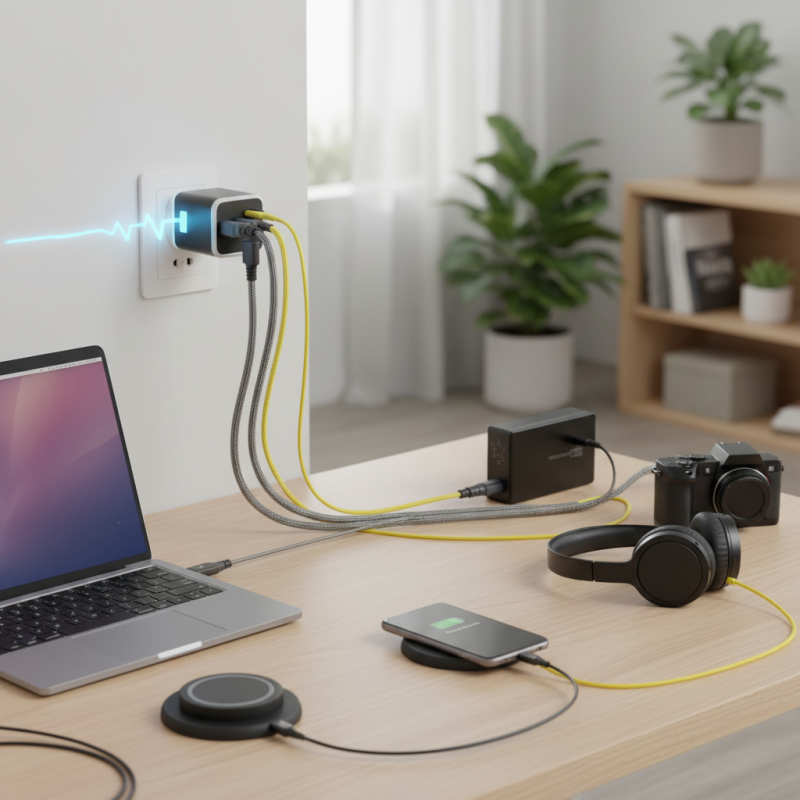
Why Do You Need an AC to DC Converter for Your Devices?

Understanding the Basics of AC and DC Power

AC and DC power are two fundamental types of electrical currents. AC stands for alternating current, while DC means direct current. Understanding the difference is crucial for using electronics safely and effectively. AC power changes direction periodically, while DC power flows in one direction. Many devices require a specific type, often needing a conversion to function.

Using an AC to DC converter is essential for various applications. For instance, laptops and smartphones typically run on DC power. They require a converter to transform AC from a wall outlet into usable DC. This conversion is vital for preventing damage to sensitive electronics.

Tip: Always check the voltage and current ratings when choosing a converter. Too much or too little can harm your device.

Sometimes converters may not perform optimally. They might generate heat or noise. In such cases, reevaluating the converter’s specifications and compatibility could help.

Tip: Avoid using a converter for devices that specify direct connection in their manuals. It could lead to faulty performance or damage. Understanding power types fosters better choices for your devices.

Why Do You Need an AC to DC Converter for Your Devices?

Device Type AC Voltage Input (V) DC Voltage Output (V) Power Requirements (W) Need for AC to DC Converter
Smartphone Charger 100-240 5 10 Yes
LED Light Bulb 120 12 15 Yes
Laptop 100-240 19 60 Yes
Electric Toothbrush 100-240 5 2 Yes
Game Controller 100-240 5 3 Yes

The Role of AC to DC Converters in Modern Electronics

AC to DC converters play a crucial role in modern electronics. Most of our devices rely on direct current (DC) to operate effectively. However, the common power supply is alternating current (AC). Converters bridge this gap, transforming AC into usable DC. Without them, your smartphone or laptop wouldn't function properly.

These converters come in various types, each with specific functions. Switch-mode power supplies are popular for their efficiency and compact size. Linear regulators provide a simpler, though less efficient, solution. Users often overlook these components. This can lead to device malfunctions or even damage. It's essential to choose the right type for your device's needs.

While these converters are generally reliable, they are not perfect. Incorrect installation can cause overheating or failure. Additionally, the power quality can fluctuate, impacting performance. Understanding the nuances of AC to DC converters is vital for anyone using electronic devices. Awareness of these issues ensures better usage and longevity of your equipment.

Common Applications of AC to DC Converters in Household Devices

AC to DC converters play a vital role in our daily lives. Many devices require direct current to operate. This is where these converters come in handy. They transform alternating current, common in household outlets, into direct current.

Many devices use AC to DC converters. For instance, laptops and smartphones rely heavily on them. Without these converters, these devices can't function properly. Household appliances like LED lights also utilize this technology. Some toys and games require DC to run. Even kitchen gadgets often depend on AC to DC conversion.

**Tip:** Check if your device needs a specific output voltage. Using the wrong voltage can ruin your appliance.

Reflecting on the need for these converters could lead to new insights. Many people overlook this component. It's not glamorous, but it is essential. Understanding how they work fosters appreciation for the technology we use.

**Tip:** Ensure proper ventilation for your converters. They can overheat without enough airflow. This mistake can lead to malfunctions.

Key Features to Consider When Choosing an AC to DC Converter

When selecting an AC to DC converter, key features should be at the forefront of your decision. First, pay attention to the power rating. This indicates how much wattage the converter can handle. Ensure it meets your device's requirements. A converter with insufficient power can lead to overheating and potential device failure.

Another critical aspect is the output voltage. It must match your device specifications precisely. A mismatch can damage equipment. Look for adjustable output options. This flexibility can accommodate various devices. Additionally, assess the converter’s efficiency rating. A higher efficiency translates into less energy waste. An efficient unit generates less heat, prolonging its lifespan.

Lastly, consider safety features like over-voltage and short-circuit protection. These elements enhance reliability. It's easy to overlook these details, thinking they are minor. Yet, they can make a significant difference in performance. Finding the right AC to DC converter requires attention and thoughtful reflection on these features.

AC to DC Converter Efficiency Ratings

This chart displays the efficiency ratings of AC to DC converters across different power ratings. As power increases, many converters maintain high efficiency, which is a critical factor when choosing a converter for your devices.

Safety and Efficiency Benefits of Using AC to DC Converters

Why Do You Need an AC to DC Converter for Your Devices?

Many electronic devices operate on direct current (DC), despite being powered by alternating current (AC) sources. This is where AC to DC converters become essential. They ensure that devices receive the correct voltage and current, enhancing their performance. Without these converters, devices may suffer from overheating or malfunctioning.

Using AC to DC converters also promotes safety. Poorly regulated power can cause serious damage to sensitive electronics. A converter stabilizes the power supply, reducing the risk of shorts and fires. In the long run, this is not just about safety; it’s about efficiency too. Proper conversion minimizes energy loss, ensuring devices operate at peak performance.

While converters offer these benefits, they can also introduce their own challenges. Some might not be entirely efficient, wasting power during the conversion process. It's a reminder of the balancing act between functionality and efficiency. In the quest for optimal performance, every detail matters.