
Top Heat Insulation Tips for Effective Energy Savings?
In today's world, effective Heat Insulation is crucial for energy savings. With rising energy costs and environmental concerns, homes need optimal insulation. This article explores essential tips for enhancing heat insulation in your space.
Heat insulation plays a pivotal role in maintaining comfortable indoor temperatures. Proper insulation reduces the reliance on heating and cooling systems. This leads to significant savings on energy bills. Many homeowners overlook small details that can make a substantial impact. Sealing gaps around windows and doors, for example, can drastically improve heat retention.
Additionally, materials and installation methods matter. Choosing the right insulation material is key to maximizing effectiveness. Various options range from traditional fiberglass to innovative spray foam. Each has its benefits and drawbacks. Homeowners should evaluate their specific needs and seek professional advice. As you implement these tips, remember that perfection is unattainable. Continuous reflection on your insulation strategy will aid in achieving better energy efficiency.
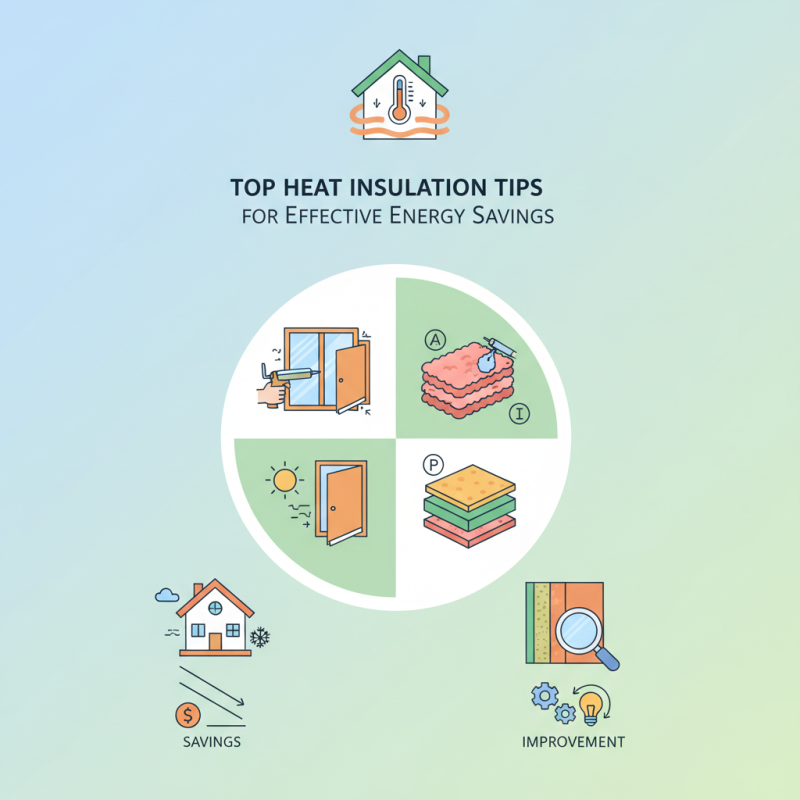
Understanding Heat Insulation and Its Importance for Energy Efficiency
Understanding heat insulation is crucial for optimizing energy efficiency in homes and buildings. Good insulation helps maintain a stable indoor temperature, reducing reliance on heating and cooling systems. This, in turn, leads to significant energy savings and lower utility bills. When you insulate effectively, you create a comfortable living space year-round.
Here are some practical tips to enhance your heat insulation. Start by sealing gaps around windows and doors. Small cracks can lead to substantial heat loss. Consider using weather stripping or caulk to minimize drafts. Additionally, adding insulation to your attic can greatly improve heat retention. Insulation materials can vary, and choosing the right type based on your climate is essential.
Reflecting on these methods, many homeowners overlook the importance of insulating pipes and ducts. Uninsulated pipes can waste energy, especially in colder months. Regular audits of your insulation can show areas needing improvement. Don't hesitate to consult with experts for tailored advice on your home’s insulation needs. Balancing comfort and efficiency requires ongoing assessment and adjustment.

Common Types of Heat Insulation Materials and Their Effectiveness
When it comes to heat insulation materials, understanding their effectiveness is crucial for energy savings. Fiberglass insulation is a common choice. It consists of tiny glass fibers that trap air, reducing heat transfer. This material works well in attics and walls. However, installation can be tricky, and gaps may lead to inefficiency. Some homeowners prefer spray foam insulation for its superior sealing ability. It expands to fill spaces, creating a tight barrier against heat loss. Yet, the cost can be higher, and the application requires expertise.
Another popular option is rigid foam board. This material is lightweight and offers good insulation values. It’s often used in basement walls and roofs. However, it may not be as effective in very humid conditions. Reflective insulation can be efficient in hot climates. It reflects radiant heat away, keeping spaces cooler. Yet, this type requires proper installation for maximum benefit. Evaluating the unique needs of your home is essential. Each material has pros and cons. Consider environmental factors and budget constraints before making a decision.
Top Heat Insulation Tips for Effective Energy Savings
This chart illustrates the effectiveness of common types of heat insulation materials in terms of their R-values, which measure thermal resistance. A higher R-value indicates better insulating properties, leading to potential energy savings in heating and cooling costs.
Practical Tips for Insulating Your Home's Walls and Roofs
Insulating your home's walls and roofs is essential for energy efficiency. Proper insulation reduces heat loss in winter and keeps your home cool in summer. Start by examining your walls. Use foam boards or fiberglass batts for effective thermoregulation. Seal any gaps or cracks to prevent air leakage. A well-insulated wall can significantly impact energy bills.
Roofs are another critical area for insulation. Consider adding radiant barriers to reflect heat away during hot months. Insulating attics can prevent heat escape, saving energy and maintaining comfort. Use spray foam or loose-fill insulation for tricky spaces. Many homeowners neglect this area, leading to unnecessary heat loss. Regularly check for any wear and tear in insulation materials.
Remember, insulation is not a one-time task. It requires maintenance and occasional upgrades. Assess your home annually for insulation effectiveness. Keeping your home's envelope in good shape will enhance comfort and cut costs. Small improvements can lead to substantial energy savings over time. These efforts pay off with lower utility bills and a more sustainable lifestyle.
Maximizing Insulation in Windows and Doors for Energy Savings
Maximizing insulation in windows and doors is crucial for energy savings. Around 25% of heating and cooling energy is lost through these areas. Investing in high-quality sealing products can greatly reduce this waste. Weather stripping and caulk provide a simple, effective solution. They create a tight seal, preventing drafts.
Consider double or triple glazing for your windows. These types have multiple layers of glass that trap air, boosting insulation. They minimize heat transfer, keeping your home comfortable in any season. Also, use insulated door frames. This adds an extra layer of protection against temperature fluctuations.
You should reflect on the state of your current windows and doors. Are they older and drafty? Even small gaps can add up to significant energy loss over time. Regular maintenance is essential. Periodically check for wear and tear around the seals. Addressing these issues can lead to noticeable energy savings.
Maintaining Your Insulation: Best Practices for Long-Term Benefits
Maintaining your insulation is crucial for energy efficiency and comfort. Regular checks can prevent small issues from becoming major problems. Inspect your insulation for signs of wear, such as dampness or pest damage. A small amount of moisture can degrade insulation material, leading to energy loss.
Proper installation also matters. Gaps in insulation allow heat to escape. Over time, these gaps can increase energy bills. Seal any leaks with appropriate materials. Ensure that the insulation fits snugly against walls, ceilings, and floors. Check areas around windows and doors to avoid heat loss during colder months.
Consider seasonal maintenance. Insulation performance can vary with temperature changes. During winter, check for condensation. In summer, inspect for excessive heat in attics. Update your insulation's condition regularly. After all, neglected insulation won't provide the benefits you expect. Investing time in maintenance means achieving long-term energy savings and comfort.
Article Source:
At Premium PSU, we are specialists in designing and manufacturing power conversion systems for the industrial market. Our product range includes high reliability power supplies from 50W to 72kW.
PREMIUM PSU
C/ Dolors Aleu, 19-21, 2nd Floor
08908 – Hospitalet de Llobregat
Barcelona-SPAIN
t.+34 93 223 26 85