Top Questions About Dc Charging Connector in China
The rise of electric vehicles (EVs) in China has led to an increasing demand for efficient charging solutions. The Dc Charging Connector plays a crucial role in this evolving landscape. As more manufacturers and consumers transition to electric vehicles, understanding the various aspects of these connectors becomes essential.
There are many questions regarding the design, compatibility, and standards of Dc Charging Connectors. Stakeholders often seek guidance on which connector types are available. Additionally, users often wonder how different connectors affect charging speed and efficiency. It is vital to address these concerns to enhance user experience and ensure safe charging practices.
Challenges also arise when navigating the marketplace. Inconsistent standards and various connector types can create confusion. These issues highlight the need for clear communication and expert insights. By focusing on these elements, we can better understand the significance of Dc Charging Connectors in China’s EV charging infrastructure.
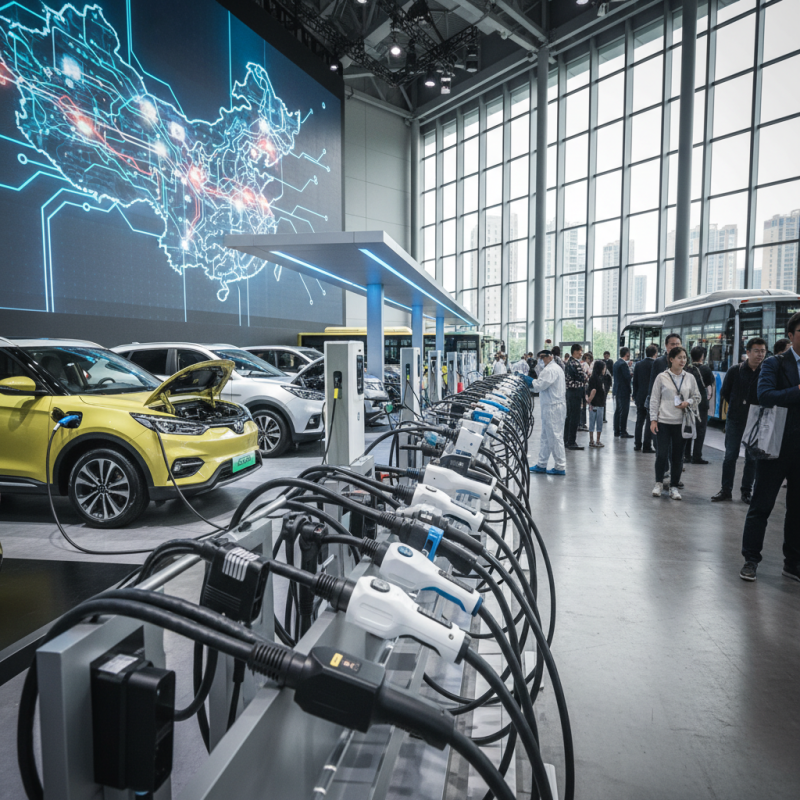
Overview of DC Charging Connectors in China
DC charging connectors play a crucial role in the electric vehicle (EV) ecosystem in China. As of 2023, the country boasts the largest EV market globally, with over 7 million electric vehicles on the road. According to the China Electricity Council, the demand for DC fast chargers is surging, with projections indicating a need for over 1.2 million charging stations by 2025. This creates a significant opportunity for the development and standardization of DC charging connectors.
Various connector standards exist in this rapidly evolving market. The GB/T standard is prevalent, but the CCS (Combined Charging System) is gaining traction. The integration of different standards can be a roadblock for consumers. Some reports suggest that uniformity in charging connectors could enhance user convenience and reduce confusion among EV owners. However, achieving consensus among manufacturers and regulatory bodies remains a challenge.
Moreover, the push for energy efficiency and sustainability is reshaping the landscape of DC charging connectors. Emerging technologies like RFID and IoT integration offer promising solutions for enhancing charging experiences. However, the industry cannot overlook the importance of safety standards and interoperability. The rapid pace of innovation often raises concerns about reliability and security in the charging infrastructure. Proper assessments and ongoing discussions are essential for fostering a reliable DC charging environment.
Key Types of DC Charging Connectors Used in China
In recent years, the demand for electric vehicles (EVs) in China has surged significantly. This growth has emphasized the importance of DC charging connectors. There are a few key types commonly used, each with its specifics. The primary types are the CHAdeMO, CCS, and GB/T connectors.
According to a 2022 industry report, over 50% of the DC charging stations in China use the GB/T connector. This connector is designed specifically for the Chinese market, accommodating local manufacturers’ needs. Meanwhile, CCS, particularly popular in European markets, is gaining traction in China, primarily among foreign EVs. CHAdeMO, while once dominant, faces declining popularity due to the rise of other standards.
While the variety of connectors supports diverse EV models, it also raises concerns. Infrastructure can become fragmented. Installers often encounter challenges finding compatible components. Moreover, the need for adapters may frustrate users. Some industry experts predict that standardization could eventually simplify this landscape. However, as of now, the situation remains complex and requires careful navigation by consumers and suppliers alike.
Compatibility and Standards for DC Charging Connectors
The compatibility and standards for DC charging connectors in China are crucial for the growth of electric vehicles (EVs). As of 2023, China leads global EV sales, with over 6.5 million units sold. However, the diverse connector types and standards create challenges. The country primarily uses two types of DC connectors: GB/T and CCS. A report by the International Energy Agency indicates that differing standards can lead to interoperability issues, potentially hindering user experience.
Industry data shows that about 60% of charging points in China utilize the GB/T connector. This poses a challenge for international manufacturers struggling to adapt. In contrast, CCS connectors are gaining traction, particularly among foreign brands. This discrepancy reveals a critical gap that needs addressing. The ongoing standardization efforts aim to improve compatibility. Yet, diverse regional practices can complicate this landscape. Stakeholders must collaborate effectively to ensure a seamless transition to a unified standard.
Furthermore, the rapid expansion of DC charging infrastructure raises concerns about safety and reliability. A 2022 survey indicated 25% of users experienced issues with charging stations. These friction points highlight the need for better-quality control and consistency across the network. As the market matures, focusing on standardized and reliable connectors will be essential for fostering consumer trust and promoting widespread EV adoption.
Challenges in the Adoption of DC Charging Connectors
The adoption of DC charging connectors in China faces several challenges. While the demand for electric vehicles is growing rapidly, the infrastructure is lagging. A report from the China Electric Vehicle Charging Infrastructure Promotion Alliance indicated that as of 2022, only 30% of required charging stations have been established. This gap poses significant hurdles for EV users.
One major challenge is the interoperability of charging systems. Different manufacturers use various standards, which can confuse consumers. A recent industry survey found that 45% of potential EV buyers are concerned about the availability of compatible charging stations. This uncertainty can hinder the overall growth of the electric vehicle market in China.
Tips: When considering an electric vehicle, check the availability of charging infrastructure in your area. Stick to regions with a higher concentration of DC charging stations. Stay informed about local policies and incentives that may support your charging needs.
Moreover, the pace of technological advancements in DC charging is uneven. While some regions adopt fast-charging solutions, others remain stagnant. This inconsistency can create a fragmented market. Continuous dialogue among stakeholders is essential to develop unified standards and improve consumer confidence.
Adoption Challenges of DC Charging Connectors in China
Future Trends in DC Charging Infrastructure Development in China
The future of DC charging infrastructure in China is vibrant and evolving. The country aims to significantly expand its network of electric vehicle (EV) chargers by 2025. According to a 2022 report by the China Electric Vehicle Charging Infrastructure Promotion Alliance, China plans to install over 1 million DC fast chargers nationwide. This move responds to the rapid growth of the EV market, which saw sales exceeding 6 million units in 2021 alone.
Urban areas are leading in the deployment of DC chargers, providing convenience for EV users. The trend indicates a shift towards high-power charging solutions. Many cities are integrating DC charging stations in public parking lots and transport hubs. This ensures accessibility and reduces waiting times for users. However, challenges like land use and grid capacity need addressing.
Tip: When using a DC charger, ensure your vehicle is compatible. Compatibility issues can lead to delays and operational inefficiencies.
Engaging with stakeholders, including government bodies and energy companies, is crucial. Collaboration can enhance charging infrastructure planning. Real-time monitoring of charging station usage will inform future developments. Insights from user behavior can guide infrastructure placement. Some regions may still lack sufficient coverage, creating gaps that require urgent attention.
Tip: Providing feedback to charging network operators can help improve service quality and station availability. Your input is valuable for optimizing infrastructure.