
How to Choose the Right Electrical Outlet for Your Needs?
Choosing the right Electrical Outlet is crucial for both safety and functionality. According to the National Electric Code (NEC), improper outlet selection can lead to potential hazards such as electrical fires. In 2021, the U.S. Fire Administration reported thousands of electrical-related incidents, highlighting the need for careful consideration when selecting outlets. Understanding your power requirements is essential to prevent overload risks.
There are various types of electrical outlets, such as standard, GFCI, and AFCI, each serving distinct purposes. For instance, GFCI outlets are vital in wet areas, significantly reducing the risk of shock. Yet, many homeowners still overlook their importance. A recent survey revealed that nearly 40% of people are unaware of the specific functionalities of different outlets.
Reflecting on your needs is critical, as is consulting with a licensed electrician for installation advice. Assessing your usage patterns and appliances can inform your choice. Electrical outlets should not be a one-size-fits-all solution. A well-informed decision will enhance safety and improve convenience in your space.
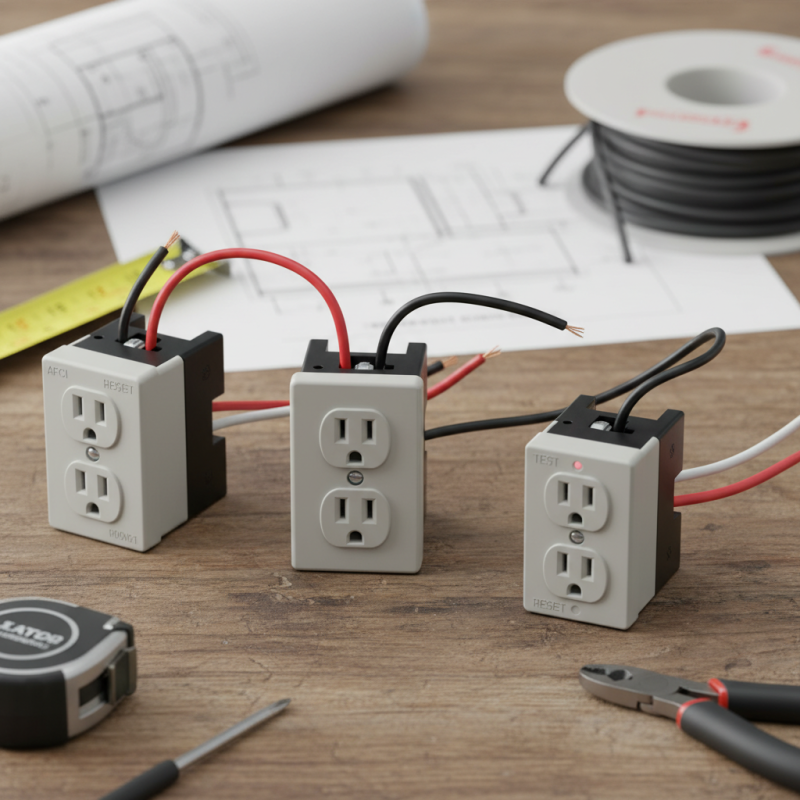
Understanding Different Types of Electrical Outlets and Their Uses
When choosing an electrical outlet, understanding the different types is crucial. Standard outlets, commonly found in homes, cater to everyday devices. They typically have two vertical slots and a round hole for grounding. This familiarity makes them a go-to option.
GFCI outlets are vital for damp areas, like kitchens and bathrooms. They prevent electrical shock by shutting off power when a fault is detected. Meanwhile, USB outlets provide convenience for charging devices without adapters. They have become popular in homes and offices.
Considerations also include voltage ratings. Not all outlets deliver the same power level. Higher voltage outlets, like the NEMA 14-50, are used for heavy appliances, like electric vehicles. Always ensure your home’s wiring aligns with the outlet type chosen. Misjudging this could lead to electrical problems or safety hazards. Understanding these nuances enhances your space's functionality and safety.

Evaluating Voltage and Amperage Ratings for Electrical Outlets
Choosing the right electrical outlet is essential for safety and efficiency. Evaluating voltage and amperage ratings is a critical aspect of this process. Most standard outlets in homes provide 120 volts and support 15-20 amps. However, certain appliances demand more power. For instance, electric dryers typically require 240 volts and can use outlets rated for 30 amps.
It’s important to assess the power needs of your devices. Overloading an outlet can lead to overheating and potential fires. A recent study from the National Fire Protection Association indicated that faulty wiring or overloaded circuits account for nearly 30% of residential electrical fires. Understanding these ratings helps prevent such hazards. Inadequate power supply can also lead to equipment malfunction or damage.
Consider your long-term needs. Many modern devices now require higher wattages. This trend is evident as smart appliances become more prevalent. They often specify higher amperage requirements to function effectively. Make sure to consult reliable electrical code resources when making decisions. An informed approach promotes both safety and performance in your electrical systems.
Safety Standards: UL Certifications and Their Importance in Outlet Selection
When choosing an electrical outlet, safety is a primary concern. UL certification plays a crucial role in ensuring the outlet meets safety standards. According to the Consumer Product Safety Commission (CPSC), faulty outlets are responsible for thousands of electrical fires annually. UL—a globally recognized safety certification organization—tests devices to minimize such risks.
The National Fire Protection Association (NFPA) indicates that homes equipped with UL-certified outlets experience significantly fewer incidents of electrical fires. This certification indicates that an outlet has passed rigorous testing for durability, heat resistance, and electrical capacity. Not all outlets are created equal. Some may look similar but lack essential safety features such as surge protection and adequate grounding, increasing the risk of hazards.
Homeowners often overlook the importance of this certification. While saving money on cheaper alternatives may seem appealing, the long-term costs associated with potential electrical failures can be staggering. UL-certified outlets provide peace of mind, knowing they have been thoroughly tested and meet established safety guidelines. The potential for errors in outlet selection can lead to regrettable outcomes. Thus, making informed decisions based on recognized safety standards is critical for every household.
Assessing the Location: Indoor vs. Outdoor Outlet Requirements
When assessing the location for electrical outlets, it's crucial to distinguish between indoor and outdoor requirements. Indoor outlets typically adhere to standard voltage and amperage. They are designed to power everyday devices like lamps and appliances. Outdoor outlets, however, must withstand weather conditions. They require weatherproof covers and proper grounding to ensure safety during rain or snow.
When planning for outdoor outlets, consider your activities. For instance, if you frequently host outdoor events, strategically placing outlets will enhance convenience. Ensure these outlets are GFCI-protected to minimize risks of shock.
Tips: Use heavy-duty extension cords for added safety outdoors. Regularly inspect outlets for wear and tear. Remember, any signs of damage should prompt immediate attention. Be cautious when using indoor equipment outside; it can lead to accidents.
Exploring Smart Outlet Options for Enhanced Convenience and Efficiency
Smart outlets are transforming our interaction with electricity. These devices allow users to manage energy consumption more efficiently. According to a recent study by the Department of Energy, smart outlets can lead to a 10-15% reduction in energy usage. This reduction not only lowers bills but also supports sustainability efforts.
When selecting smart outlets, consider features like energy monitoring and remote control. The IoT (Internet of Things) market report predicts that smart home devices will reach over 600 million units by 2025. However, the complexity of smart systems can sometimes overwhelm users. Many struggle with device compatibility and network issues.
The ability to integrate with other smart devices enhances convenience. For instance, scheduling outlets to turn on or off can save energy automatically. Yet, security concerns arise. Data breaches in smart home devices have been reported, making it crucial to choose reliable options. Research suggests that users should regularly update device firmware. The right smart outlet can balance convenience with efficiency, but users must remain vigilant.
Article Source:
At Premium PSU, we are specialists in designing and manufacturing power conversion systems for the industrial market. Our product range includes high reliability power supplies from 50W to 72kW.
PREMIUM PSU
C/ Dolors Aleu, 19-21, 2nd Floor
08908 – Hospitalet de Llobregat
Barcelona-SPAIN
t.+34 93 223 26 85