
How to Choose the Right Door Butt Hinge for Your Project?
Choosing the right Door Butt Hinge for your project can be daunting. The variety available in the market might confuse anyone, even a seasoned DIYer. A door butt hinge plays a vital role in the functionality and aesthetics of a door. Ensuring the correct fit and design can make all the difference.
Consider the weight and material of your door. A heavy door requires a sturdy hinge. Selecting a hinge that’s too weak could lead to frustration and even damage. Assess the finish too. Does it match the door and the overall style of your space?
While many options appear perfect, they may not suit your specific needs. Misjudging the size or style can result in regrets later. Reflecting on these factors can help enhance your decision-making process. The right door butt hinge ensures both durability and visual appeal, making your project successful.
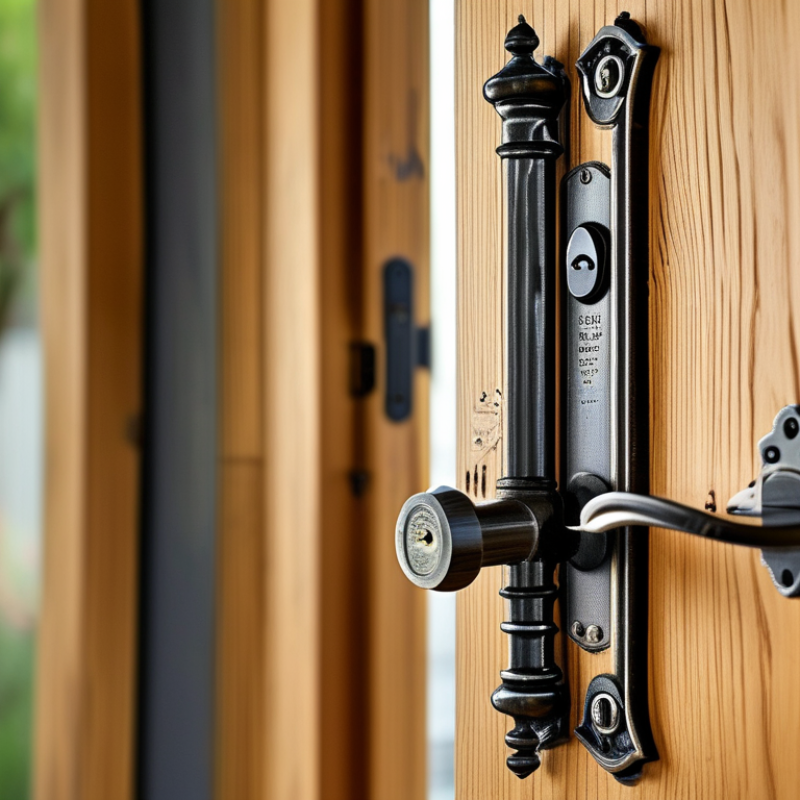
Understanding Different Types of Door Butt Hinges Available
When working on a door project, selecting the right butt hinge is crucial. Many types exist, each offering unique benefits. For instance, steel hinges provide strength and durability. They’re ideal for heavy doors and high-traffic areas. Conversely, brass hinges offer elegance and corrosion resistance, making them suitable for interior use.
Another type is concealed hinges, which hide the hinge from view. They create a clean look, perfect for modern designs. However, they can be more complex to install. One must also consider the size and weight of the door when choosing a hinge. A mismatch can lead to functionality issues. It's also essential to assess the door frame; some hinges work better in specific conditions.
Experience with various door projects often reveals that quality matters. A cheap hinge might save money now, but could lead to future problems. It’s worth investing in reliable hardware. Also, take time to research options available in your region. This ensures a proper fit and optimal performance. Trust your instincts, but don't rush the decision-making process. Consider consulting with a professional if uncertain.

Different Types of Door Butt Hinges
Factors to Consider When Selecting a Door Butt Hinge
When selecting a door butt hinge, several factors come into play that can significantly influence your project. The weight of the door is crucial. Heavier doors require sturdier hinges. Generally, a standard door may need 3 to 4 hinges for optimal support. Consider the material as well. Brass, steel, or stainless steel each offer unique strengths. For instance, stainless steel is resistant to rust, making it ideal for humid environments.
Another essential aspect is the hinge size. Measure the door's thickness and width correctly. A mismatch may complicate installation. Look at the hinge's knuckle assembly, too. This part determines how smoothly the door swings. Many people overlook the finish of the hinge. A well-chosen finish enhances durability and aesthetics.
A common misstep is not accounting for the door's swing direction. Ensure the hinge supports the intended swing, whether inward or outward. Lastly, pay attention to the installation process. Follow guidelines closely to avoid future issues. Each detail matters, creating a functional and attractive door.
Assessing Material Durability for Your Hinge Needs
When selecting door butt hinges, material durability plays a crucial role. You want hinges that withstand daily use and environmental factors. Various materials such as stainless steel, brass, and plastic each offer different levels of resilience. Stainless steel is often favored for its resistance to rust. However, it can be expensive. Brass is aesthetically pleasing and durable but may tarnish over time. Plastic hinges are lightweight and resistant to corrosion, but they might not handle heavy doors as well.
Consider the environment where your hinge will be installed. An outdoor location may require a more robust material like stainless steel. Indoor settings might allow for more decorative options like brass. Evaluate your project's demands. A heavy wooden door requires more durable hinges than a lightweight hollow-core door.
Assessing your needs can be a trial-and-error process. Sometimes, hinges that seem ideal do not perform as expected. It’s important to test different options. Review user feedback to inform your choice. Quality hinges can enhance door functionality. However, remember that the right choice varies from project to project.
How to Choose the Right Door Butt Hinge for Your Project? - Assessing Material Durability for Your Hinge Needs
| Hinge Material | Durability Rating | Best Use | Weight Capacity | Corrosion Resistance |
|---|---|---|---|---|
| Stainless Steel | High | Exterior Doors | Up to 200 lbs | Excellent |
| Brass | Medium | Interior Doors | Up to 150 lbs | Good |
| Aluminum | Medium | Lightweight Doors | Up to 100 lbs | Fair |
| Plastic | Low | Temporary Solutions | Up to 50 lbs | Poor |
| Bronze | High | Heavy Doors | Up to 250 lbs | Excellent |
Identifying the Right Size and Weight Rating for Your Door
Choosing the right door butt hinge is crucial for the functionality and longevity of your door. The first step is identifying the proper size for your hinge. Measure the height and width of your door to ensure a good fit. A standard residential door often requires hinges that are 3 to 4 inches tall. Small doors may need hinges closer to 2.5 inches. Always check for alignment and clearance during installation.
The weight rating is equally important. A hinge must support the door's weight without sagging or binding. Heavy doors, such as solid wood or metal options, require sturdier hinges. Consult manufacturer specifications for guidance on weight ratings. If your door feels too heavy for the hinges you've chosen, reconsider your selection. Sometimes it’s easy to overlook this, but it can affect the door's performance.
Consider the environment where your door will be used, too. Indoors, you might not need as robust a hinge as you would for an exterior door exposed to weather. If unsure, asking for expert advice can lead you in the right direction. Each detail plays a role in the overall success of the installation. Choosing the wrong size or weight rating can lead to frustration down the line.
Installation Tips for Ensuring Proper Hinge Functionality
When installing a door butt hinge, proper placement is crucial. Ensure that you align the hinge vertically with the door and the frame. A misaligned hinge can lead to improper door function. Use a level to check alignment before securing the hinge. This small detail can save time and frustration later.
In addition to alignment, it's vital to select the right screws for installation. Wood screws are preferable for wooden doors, while metal screws work best for metal doors. Always pre-drill holes to prevent the wood from splitting. Be mindful of screw length; too long can pierce through the door, while too short may not hold the hinge securely.
Consider the weight of your door as well. Heavier doors require stronger hinges. Failing to account for this can lead to hinge failure. Finally, checking the door swing after installation is necessary. This ensures the door opens smoothly without obstruction. Small adjustments may be needed for optimal function. Each step in the process counts, so take your time.
Article Source:
At Premium PSU, we are specialists in designing and manufacturing power conversion systems for the industrial market. Our product range includes high reliability power supplies from 50W to 72kW.
PREMIUM PSU
C/ Dolors Aleu, 19-21, 2nd Floor
08908 – Hospitalet de Llobregat
Barcelona-SPAIN
t.+34 93 223 26 85