What are the Best UPS Power Solutions for 2026?
As we look towards 2026, the demand for reliable UPS power solutions continues to grow. Businesses and individuals alike require uninterrupted power to ensure their operations run smoothly. UPS power systems provide critical backup during outages, protecting valuable equipment and data.
The market offers various options, from small desktop units to large, industrial systems. Choosing the right UPS power solution is essential for your needs. Size, capacity, and features greatly affect performance. However, navigating these choices can be overwhelming. Sometimes, customers may overlook vital factors. For example, how long does the backup last?
With emerging technologies and changing power demands, it's crucial to stay updated. Innovations in battery technology offer improved efficiency and longevity. It's not just about preventing outages; it's about maintaining productivity. Understanding these aspects will help ensure your UPS power solution meets future requirements effectively.
Best UPS Power Solutions for 2026: Market Overview and Trends
As we look ahead to 2026, the landscape of
uninterruptible power supplies (UPS) is
evolving rapidly. With increasing reliance on technology, top-tier power solutions must enhance
energy efficiency and reliability.
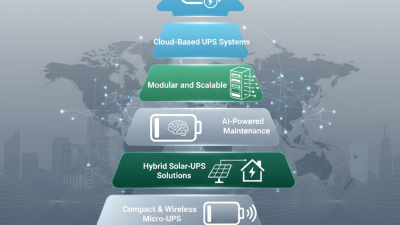
Modern UPS systems will likely embrace cutting-edge battery technology.
Lithium-ion batteries are expected to replace traditional
lead-acid ones due to their longer lifespan and reduced maintenance needs.
Emerging trends suggest a shift toward smart functionalities.
UPS devices may integrate IoT capabilities, allowing real-time
monitoring. Users could receive alerts about battery status
and energy usage directly to their devices. However, this increased complexity raises concerns. Are users
ready to manage these advanced features? Many may find such systems overwhelming, pointing to a need for
user-friendly interfaces.
Sustainability
will also play a vital role in UPS development. Environmentally-friendly designs and recyclable materials
will likely become prominent. Consumers may become more aware of their carbon footprint. Nevertheless,
balancing performance and eco-friendliness could pose
challenges for manufacturers. With the rapid pace of innovation, industry players must refine their strategies
continuously. Ultimately, adapting to these trends will define success
in the UPS market by 2026.
Key Industry Players in the UPS Market and Their Innovations
In the ups and downs of the UPS market, key innovators are emerging. Many companies are focusing on renewable energy sources. This shift is essential for sustainability. Energy efficiency is at the forefront of their innovations. Smart battery management systems are becoming standard. They extend battery life while maximizing performance.
The competition is fierce. New players bring fresh ideas. Many are experimenting with modular designs. This approach allows for scalability and flexibility. Customers appreciate the option to expand as needed. However, some companies struggle with supply chain issues. Delays can hinder the introduction of new models.
Despite these challenges, advances in software integration are noteworthy. Real-time monitoring systems provide users with valuable data. This allows for timely maintenance and issue resolution. However, user-friendly interfaces are still a problem for some brands. Feedback often reveals confusion among customers. Addressing these concerns will be crucial for future developments.
Best UPS Power Solutions for 2026
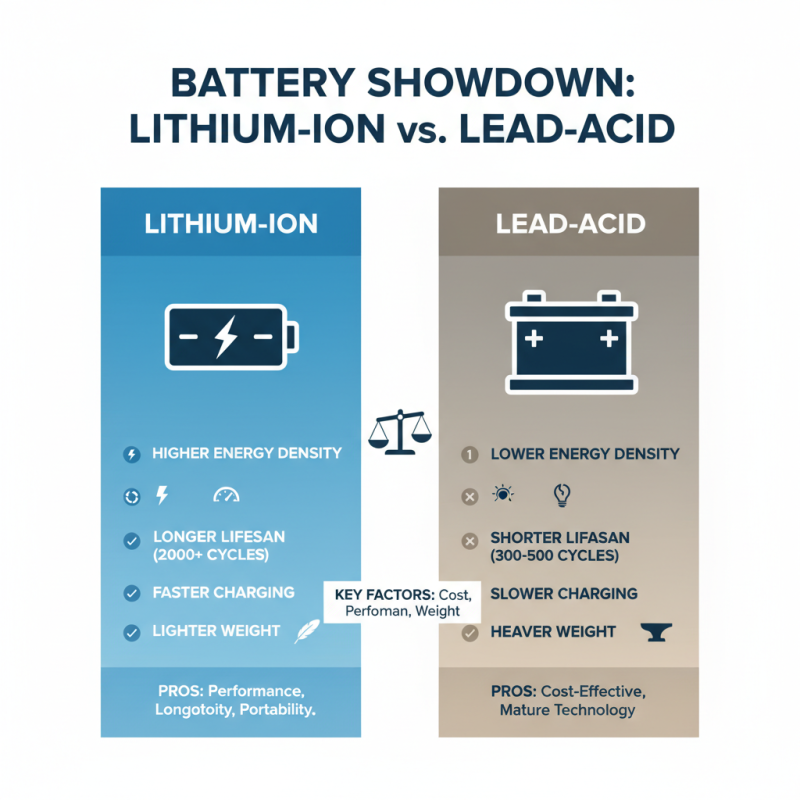
Comparative Analysis of UPS Technologies: Lithium-ion vs. Lead-acid
As the demand for reliable power solutions grows, choosing the right uninterruptible power supply (UPS) becomes crucial. Lithium-ion and lead-acid batteries represent the two main technologies available. Each has its advantages and drawbacks.
Lithium-ion batteries are known for higher energy density and longer lifespan. They can last up to 10 years, while lead-acid batteries typically last 3-5 years. According to a recent market report, lithium-ion systems can offer up to 90% efficiency, compared to around 80% for lead-acid. This efficiency translates to reduced operational costs in the long term. However, the initial investment in lithium-ion technology is higher.
Lead-acid batteries often have a lower upfront cost but require more frequent replacements. They are heavier and bulkier, which can be a concern in space-limited environments. Installation and maintenance may also demand more attention. Users should consider the total cost of ownership, including maintenance and replacement cycles.
Tips: Calculate the long-term costs before making a decision. Analyze your power requirements and space constraints. Examine your budget carefully; sometimes, a cheaper initial investment may lead to higher expenses down the line. Don't forget to review the environmental impacts of battery disposal.
Environmental Impact and Sustainability in UPS Solutions by 2026
As we move towards 2026, environmental impact remains a pressing concern for UPS solutions. The push for renewable energy sources is gaining traction. Green technologies can reduce carbon footprints significantly. Storage solutions using sustainable materials will likely become standard. Many consumers now prioritize eco-friendly choices in their purchasing decisions.
However, the transition to greener options isn’t without challenges. Not all UPS systems are designed for sustainability. Life cycle analysis shows some traditional systems may still create significant waste. The emphasis on recycling and extending product life is essential. Consumers want products that align with their green values.
Addressing these issues requires innovation. Energy-efficient designs must be a top priority. Existing technologies need improvement. Manufacturers will face scrutiny on their sustainability practices. Understanding the full impact of UPS systems on the environment is crucial. Moving forward, collaboration between stakeholders can drive real change.
Future-Proofing UPS Systems: Integration with Smart Grids and IoT
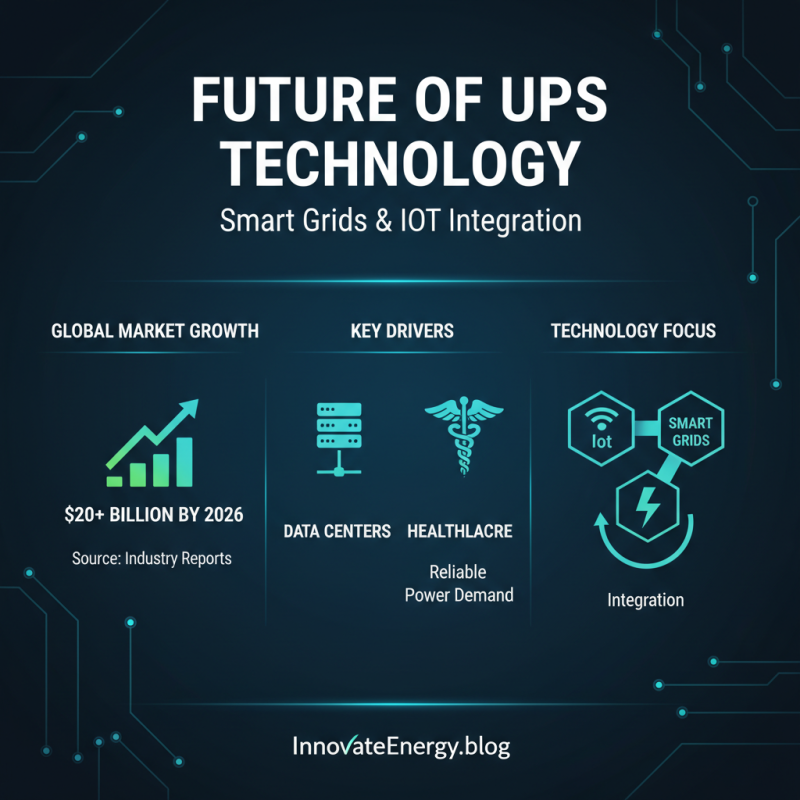
The future of Uninterruptible Power Supplies (UPS) lies in their integration with smart grids and IoT technologies. According to recent industry reports, the global UPS market is expected to grow significantly, reaching over $20 billion by 2026. This growth is influenced by the increasing demand for reliable power in various sectors, especially in data centers and healthcare.
Integrating UPS systems with smart grids enhances efficiency. These systems can communicate in real-time, adjusting energy flow based on demand. This reduces energy waste, aligns with sustainability goals, and can even lead to cost savings. Moreover, IoT devices can monitor UPS performance, predicting failures before they occur. However, the complexity of these integrations poses challenges. Many companies struggle to adopt these advanced technologies fully.
Tips: Regularly assess your current UPS technology. Ensure it can integrate with your existing infrastructure. Consider investing in IoT-enabled UPS systems for better monitoring. This can prevent costly downtimes and enhance operational resilience. Organizations must also prioritize staff training. Without proper knowledge, new systems can lead to inefficiencies and frustration. Embracing innovation requires time and commitment from all levels.
Related Posts
-
Top 5 UPS Power Solutions for 2025: Keep Your Devices Running Smoothly
-
5 Essential Tips to Optimize Your UPS Electrical Systems for Maximum Efficiency
-
2025 Top 5 UPS Electrical Systems to Enhance Power Reliability and Efficiency
-

2025 How to Choose the Best UPS Power Solution for Your Needs
-
What is UPS Electrical and How Does it Work for Your Power Needs
-
How to Choose the Right UPS Power Supply for Your Needs?

At Premium PSU, we are specialists in designing and manufacturing power conversion systems for the industrial market. Our product range includes high reliability power supplies from 50W to 72kW.
PREMIUM PSU
C/ Dolors Aleu, 19-21, 2nd Floor
08908 – Hospitalet de Llobregat
Barcelona-SPAIN
t.+34 93 223 26 85