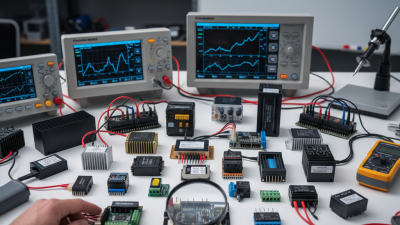
Best DC Converter Types for Efficient Power Conversion?
In the realm of electrical engineering, DC converters play a pivotal role in power conversion efficiency. Experts like Dr. Emily Chen, a renowned authority in power electronics, emphasize the importance of selecting the right type of DC converter. She once stated, “The efficiency of a power system directly depends on the choice of DC converter.” This highlights the critical impact of these devices on overall system performance.
DC converters come in various types, each tailored for specific applications. From buck converters to boost converters, the options can be overwhelming. A careful evaluation of their unique features and purposes is essential. Understanding how each type operates can lead to significant advancements in energy efficiency and performance.
However, not all DC converters are created equal. Some may offer higher efficiency but lack reliability. It's crucial to avoid the trap of focusing solely on efficiency without considering other factors, such as thermal management and cost. Experimenting with different types and configurations can also lead to unforeseen challenges. Emphasizing a balanced approach is vital for achieving optimal results in power conversion.
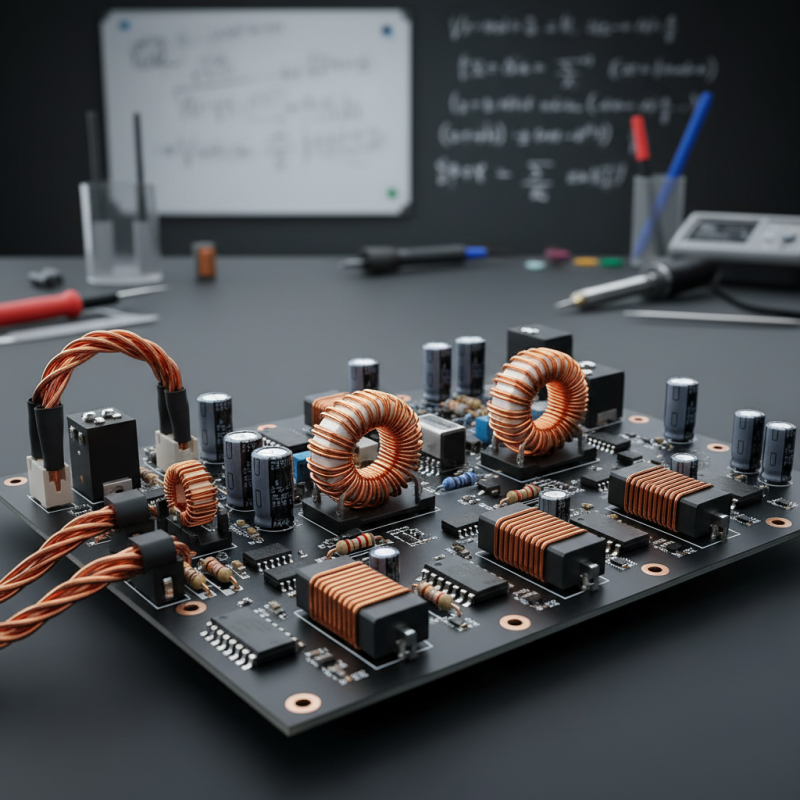
Introduction to DC Converters and Their Importance
DC converters play a vital role in modern electronics. They efficiently convert direct current (DC) from one voltage level to another. This conversion is crucial for devices like solar panels and electric vehicles. Without DC converters, we would face significant energy losses.
Each type of DC converter, such as buck and boost converters, has its own unique applications. Buck converters step down voltage, while boost converters increase it. This versatility is essential in optimizing power usage in various devices. Engineers often grapple with challenges related to efficiency and heat dissipation. Balancing these factors can require in-depth analysis and testing.
Understanding the importance of DC converters deepens insights into power management. Effective power conversion enhances device performance and lifespan. The field continues to evolve, prompting engineers to explore new technologies. It's clear that mastering these concepts is crucial for anyone in the electronics industry.
Best DC Converter Types for Efficient Power Conversion
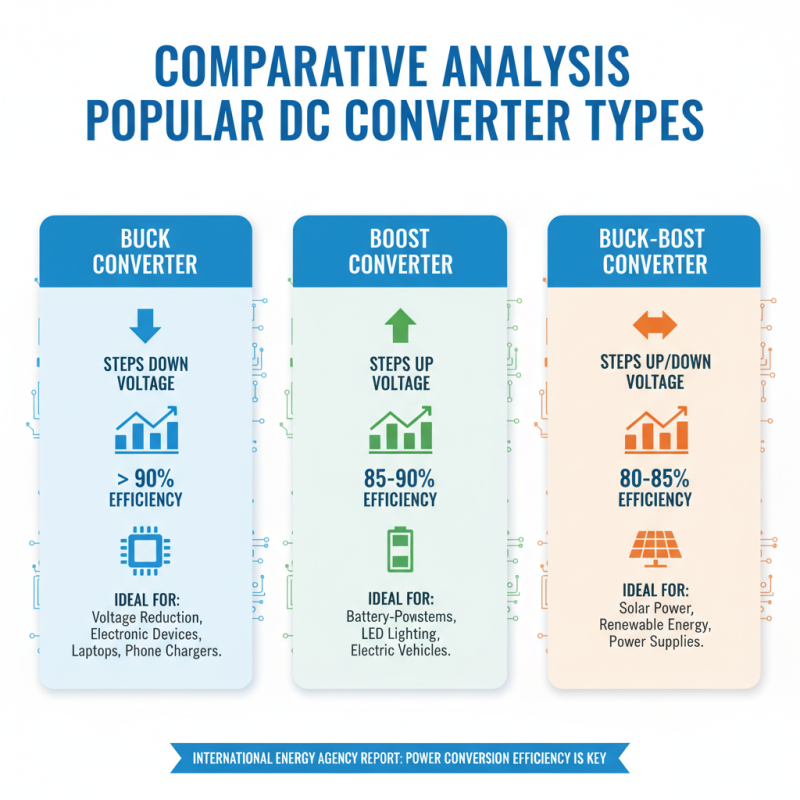
This chart illustrates the efficiency of various types of DC converters. As seen, Buck Converters typically achieve the highest efficiency, making them the preferred choice in many applications for efficient power conversion.
Types of DC Converters: Overview and Applications
DC converters play a crucial role in various applications, from renewable energy systems to consumer electronics. There are several types of DC converters, each serving unique purposes. Buck converters lower voltage levels, while boost converters increase them. Buck-boost converters can adjust voltage in both directions. Research from the International Energy Agency indicates that DC-DC converters are becoming essential in energy efficiency, as they reduce energy loss by as much as 10-15% in many applications.
In industries, these converters find extensive use. Solar power systems utilize DC converters to optimize energy output. Electric vehicles rely on efficient DC-DC systems for battery management. According to a report by MarketsandMarkets, the global DC-DC converter market is projected to reach $7 billion by 2025, showing a clear trend towards increased adoption. However, users must always consider heat dissipation and efficiency ratings.
Tip: Regularly check the efficiency rating of your converters. Higher ratings can lead to significant energy savings over time. Running tests on your devices can help identify inefficiencies. Aim for converters with lower heat production, as this can enhance their reliability. In the pursuit of optimal power conversion, ongoing evaluation and selection of the right type are critical.
Efficiency Metrics: How to Evaluate DC Converter Performance
Evaluating the efficiency of DC converters is crucial for optimal power management. When assessing performance, focus on key metrics. These include conversion efficiency, thermal performance, and load regulation. Conversion efficiency is the ratio of output power to input power. High efficiency minimizes energy loss and reduces heat generation. Look for converters with efficiency ratings above 85%.
Thermal performance is another vital metric. Excessive heat can damage components and affect reliability. A well-designed converter should handle heat effectively, using thermal management techniques like heatsinks or fans. Load regulation indicates how well a converter maintains output voltage under varying loads. Fluctuating loads can lead to inefficiencies. Aim for converters with tight load regulation specifications.
While these metrics provide a framework for evaluation, they are not exhaustive. Real-world testing is often necessary. Conditions like temperature and input voltage can influence performance. Additionally, some converters might excel in specific applications while underperforming in others. Evaluating efficiency is a nuanced task. It requires balancing these aspects for each unique scenario.
Comparative Analysis of Popular DC Converter Types
When analyzing the various types of DC converters, efficiency is key. Buck converters, boost converters, and buck-boost converters each excel in specific applications. According to the latest report from the International Energy Agency, power conversion efficiency is a major focus. Buck converters, for instance, typically achieve efficiencies above 90%. They effectively step down voltage while maintaining current stability, which is critical in many electronic devices.
Boost converters face a different challenge. They increase voltage but often experience losses due to switching components. A comparative study indicated that efficiencies can range between 80% to 85%. Efficiency declines with higher load demands, raising questions about their reliability in power-critical applications. Additionally, the buck-boost design offers flexibility in voltage regulation but sacrifices some efficiency, typically hovering around 80%. This trade-off indicates a need for careful consideration when selecting a converter type for specific applications.
The variations in performance emphasize the importance of the application context. For instance, renewable energy systems often use these converters for battery charging. Analyzing real-world case studies illustrates potential discrepancies in expected versus actual performance. Notably, converter selection should reflect practical application requirements more than specifications alone. The field is evolving, but inefficiencies certainly warrant ongoing evaluation and refinement.
Future Trends in DC Converter Technology and Design
The world of DC converter technology is rapidly evolving. Recent studies indicate that the global DC-DC converter market is expected to grow at a CAGR of 10.5% from 2021 to 2028. This trend reflects an increasing demand for more efficient power solutions, especially in renewable energy applications. The rise of electric vehicles (EVs) also drives innovation in converter design, as automakers seek to optimize energy storage systems.
One key trend is the shift towards integration and miniaturization. High-frequency converters are becoming more compact while maintaining efficiency. Reports show that power density has improved significantly, with recent designs achieving over 100 W/in³. This development caters to the needs of modern electronics, where space is at a premium. Designers should consider thermal management solutions. An efficient cooling system can help maintain optimal performance.
Another future direction is the growing importance of wide bandgap semiconductors. These materials, like silicon carbide, enable higher efficiencies and thermal performance. Studies suggest these semiconductors can improve efficiency rates to over 98%. However, the transition requires careful evaluation of cost and application suitability.
Tips: Ensure regular testing of your designs. This can reveal areas needing improvement. Stay updated on advancements in thermal management strategies. Adapting new methods can enhance your converter's lifespan. Engaging in industry conferences can also provide insights on emerging technologies.
Related Posts
-
How to Choose the Right DC Converter for Your Needs?
-
How to Choose the Best DC Converter for Your Needs?
-
How to Choose the Right DC Converter for Your Project Needs
-

How to Choose the Right Computer Power Supply for Your Needs
-
Top 10 Best Computer Power Supplies for Optimal Performance?
-
What is a PSU in a Computer and Why is it Important?

At Premium PSU, we are specialists in designing and manufacturing power conversion systems for the industrial market. Our product range includes high reliability power supplies from 50W to 72kW.
PREMIUM PSU
C/ Dolors Aleu, 19-21, 2nd Floor
08908 – Hospitalet de Llobregat
Barcelona-SPAIN
t.+34 93 223 26 85